

Coffee is more than just a drink; it’s an experience, an art form, and for many, a daily ritual. But for Muslims around the world, coffee holds a special significance, not only for its flavor and aroma but also for the assurance that it is made in line with halal dietary standards. In this blog, we’ll dive deep into the world of halal coffee – from the beans it’s made from, to the brewing process, and what makes halal coffee so unique.
What Makes Coffee “Halal”?
For coffee to be considered halal, it must comply with Islamic dietary laws as outlined in the Qur’an and Hadith. The concept of halal refers to what is permissible or lawful, and coffee, in its pure form, is generally halal. However, certain practices surrounding coffee preparation or additives may need scrutiny to ensure compliance.
1. No Alcohol-Based Ingredients:
One of the most significant factors in determining whether a coffee drink is halal is the absence of any non-halal ingredients, particularly alcohol-based flavorings or syrups. Many coffee drinks, especially in the modern café culture, are flavored with alcohol-based syrups like vanilla extract or liqueurs. These would render the coffee non-halal. Halal coffee, however, strictly avoids such ingredients, ensuring the beverage is pure and suitable for Muslim consumers.
2. Halal Certification of Additives and Flavors:
The additives that go into coffee, such as creamers, flavorings, and syrups, should also be checked for halal certification. For instance, some creamers may contain animal-derived ingredients like gelatin, which is not permissible in Islam unless it’s sourced from halal animals. Similarly, flavored syrups should not contain alcohol or any non-halal ingredients, so halal-certified brands are used to guarantee compliance.
3. Halal Coffee Beans: The Source of Purity:
The coffee bean itself is naturally halal, as it’s a plant-based product. However, where and how the beans are grown, harvested, and processed can influence their status. For coffee to be certified as halal, the beans must be free from contamination with any non-halal substances during processing. This includes ensuring that coffee beans are stored, transported, and roasted without coming into contact with anything forbidden (haram).
The Journey of Coffee from Beans to Brew:
The process of making coffee is an intricate and delicate art, with every step contributing to the final flavor profile and experience. Here’s a breakdown of how halal coffee is made, ensuring that every cup is crafted with care and respect for both tradition and modern techniques.
1. Sourcing the Beans:
The journey begins with the sourcing of the coffee beans. Halal coffee shops and roasters ensure that the beans come from reputable suppliers who adhere to halal practices. The beans are typically grown in countries with a rich coffee history, such as Ethiopia, Colombia, and Brazil. When selecting beans, halal coffee brands prioritize ethical sourcing, with a focus on fair trade practices that ensure both sustainability and the well-being of farmers.
- Fair Trade Coffee: Many halal coffee producers work with fair-trade certified suppliers, ensuring that farmers receive a fair price for their product. This aligns with Islamic values of justice and fairness in business.
- Organic Coffee: In addition to being halal, organic coffee is often favored by halal coffee shops due to its health benefits and environmentally friendly farming practices.
2. Roasting the Beans:
Once the coffee beans are harvested, they go through a process called roasting, which is crucial to bring out the rich flavors that make coffee so distinctive. The beans are roasted at varying temperatures and for different lengths of time, depending on the desired flavor profile. Halal coffee roasters ensure that no harmful additives are introduced during the roasting process, maintaining the purity of the product.
Roasting can be done using different methods, such as:
- Light Roasting: This method preserves more of the natural flavors of the beans, making it a good choice for those who prefer a lighter, fruitier taste.
- Dark Roasting: Dark roasted beans have a bold, robust flavor with caramelized sugars, perfect for those who enjoy a richer, more intense cup of coffee.
Halal coffee roasters avoid cross-contamination with non-halal ingredients or processes, ensuring the beans remain pure and ready for brewing.
3. Grinding the Beans:
After roasting, the beans are ground to the appropriate consistency based on the brewing method. Some methods, like espresso, require a fine grind, while others, such as French press or cold brew, require a coarser grind. Halal coffee shops ensure that the grinders and equipment used are thoroughly cleaned and free from any non-halal residues.
4. Brewing the Coffee:
Brewing is where the magic happens, and this is where a coffee shop’s skill and attention to detail truly shine. Whether you’re brewing a simple drip coffee, an espresso, or a complex pour-over, each brewing method extracts different flavors from the beans.
- Espresso: For a rich, concentrated coffee shot, espresso is brewed by forcing hot water through finely-ground beans under pressure.
- Pour-Over: This method uses gravity to slowly extract the coffee’s flavors, resulting in a smooth, clean cup.
- French Press: A full-bodied brewing method that steeps coarse-ground beans in hot water before pressing them with a plunger.
In halal coffee shops, the brewing process is done with meticulous care, ensuring that no non-halal products are introduced during the preparation of the coffee.
5. Serving the Coffee:
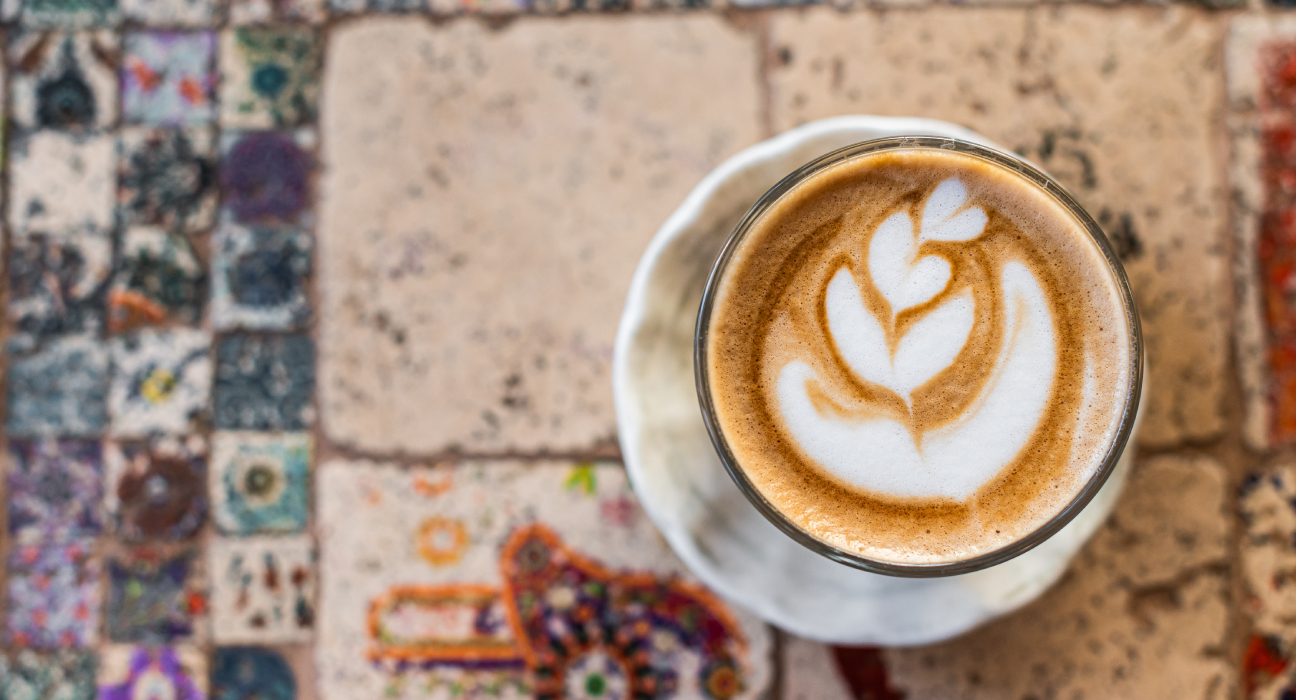
Once the coffee is brewed, it is served in a manner that complements the overall experience. From classic black coffee to flavored lattes or iced coffees, halal coffee shops ensure that all the options available are free from alcohol, non-halal syrups, and any other forbidden ingredients. Many cafes also offer non-dairy milk options, such as almond, soy, or oat milk, making their offerings suitable for those with dietary restrictions.
The Role of Halal Coffee in Communities:
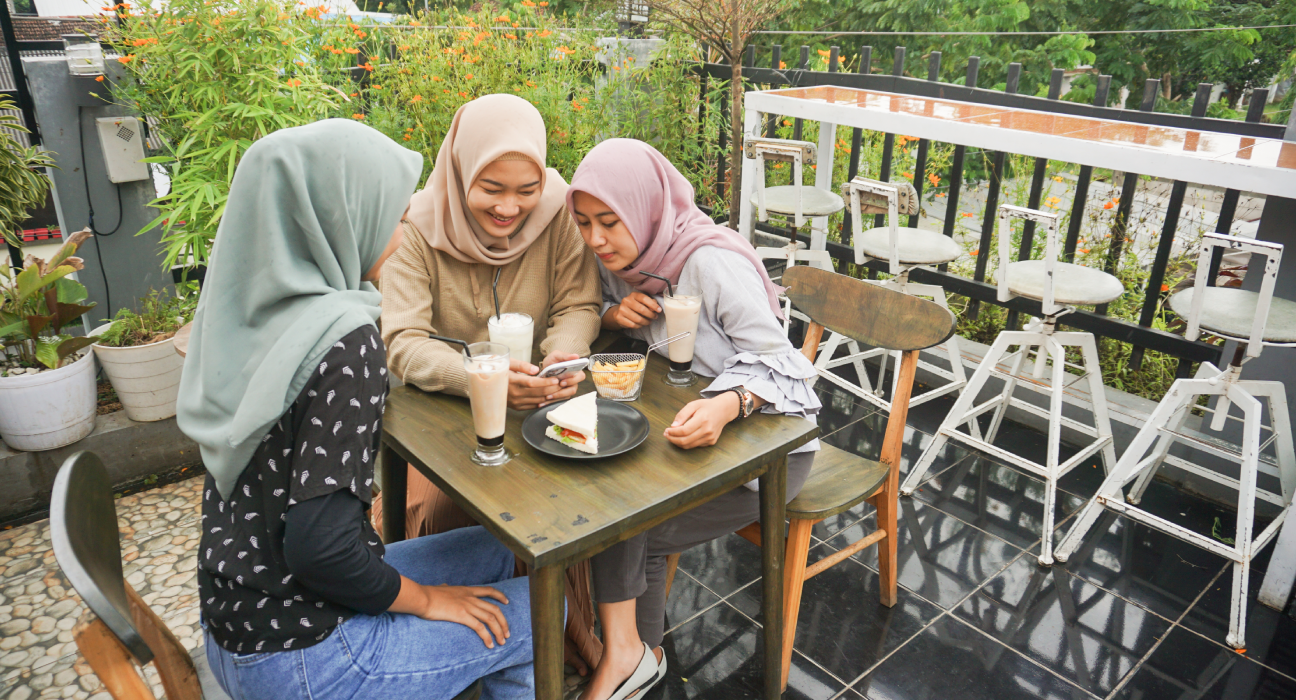
Halal coffee shops have become hubs for Muslim communities around the world. These cafés offer not just a place to enjoy a warm beverage but also serve as social spaces for family gatherings, business meetings, or quiet moments of reflection. As the global demand for halal products continues to rise, so too does the importance of halal coffee shops in providing a safe and welcoming environment for Muslims.
1. Creating Inclusive Spaces:
Halal coffee shops are not just about coffee; they are about creating a space where everyone feels included, respected, and comfortable. Many coffee shops provide prayer rooms, halal snacks, and a friendly atmosphere where families, friends, and communities can come together.
2. The Growth of Specialty Halal Coffee:
With the rise of specialty coffee, halal coffee shops are exploring innovative brewing techniques and offering unique blends and flavors. These cafés often collaborate with local roasters and farmers to bring out the best of what halal coffee has to offer, creating a new wave of coffee culture that blends modern innovation with traditional practices.
Conclusion: Why Halal Coffee Is So Special:
Halal coffee isn’t just about following religious dietary laws – it’s about crafting a drink with care, precision, and integrity. From the sourcing of the beans to the final brew, every step in the coffee-making process is performed with mindfulness and respect for both tradition and modernity. By ensuring that all ingredients are halal and ethically sourced, coffee lovers can enjoy their cup with the peace of mind that it meets the highest standards of quality and compliance.
For those who appreciate the art of coffee, halal coffee offers an opportunity to enjoy an exceptional beverage that is both delicious and aligned with Islamic values. Whether you’re sipping a bold espresso or enjoying a sweet, spiced latte, halal coffee is more than just a drink – it’s an experience that brings people together and enriches the coffee culture worldwide.