
For coffee lovers, visiting a coffee shop is more than just about getting a caffeine fix; it’s about enjoying a crafted experience, a warm space, and a delicious beverage. However, for Muslim consumers, the importance of where they get their coffee goes beyond the flavor and ambiance. The products consumed must align with their religious dietary laws, which is where halal certification becomes crucial. A halal-certified coffee shop ensures that every aspect of the coffee-making process, from sourcing the beans to brewing the perfect cup, adheres to Islamic principles of permissibility (halal).
Halal certification affects every element of a coffee shop’s operations, from ingredient sourcing and food handling to employee training and customer interaction. It is not just a label or certification—it influences the entire business process, ensuring that products are ethically sourced, prepared with care, and free from haram (forbidden) substances. In this blog, we will explore how halal certification impacts each facet of a coffee shop’s operations, creating a trusted and inclusive environment for Muslim and non-Muslim customers alike.
1. Sourcing Halal Coffee Beans:
The process of obtaining halal certification begins with ensuring that the primary ingredient—coffee beans—is sourced from ethical and certified suppliers. Halal certification doesn’t just apply to food or beverages served; it extends to the raw ingredients used in the preparation.
For coffee shops, sourcing halal-certified coffee beans is a crucial first step. Coffee beans are often grown in regions with complex environmental, ethical, and social dynamics, and the certification ensures that the beans are sourced in a way that aligns with Islamic ethics. This includes:
Ethical Farming Practices: Halal-certified coffee shops typically work with coffee bean suppliers who adhere to ethical farming practices. These suppliers should ensure fair wages for workers, avoid child labor, and engage in sustainable farming practices that protect the environment.
Avoidance of Harsh Chemicals: Halal certification requires that coffee beans are grown without the use of harmful pesticides or fertilizers, ensuring that the coffee is free from any non-halal contaminants.
Fair Trade: Many halal-certified coffee shops prioritize fair trade practices, ensuring that farmers are paid a fair price for their beans and that the production process is free from exploitation.
By sourcing halal-certified coffee beans, coffee shops are supporting sustainable farming practices, ethical labor conditions, and high-quality products that align with both religious and ethical standards.
2. Halal Milk and Dairy Products:
Another critical area in the coffee-making process where halal certification plays a role is in the sourcing of milk and dairy products. For coffee drinks such as lattes, cappuccinos, and flat whites, milk is a key ingredient, and ensuring that the milk used is halal-certified is vital for meeting Islamic dietary requirements.
Halal-certified milk and dairy products are sourced from suppliers who adhere to ethical practices that include:
No Non-Halal Animal By-products: In non-halal dairy production, ingredients like rennet (used in cheese production) may be derived from non-halal animals. Halal certification ensures that the dairy products used in coffee shops are free from any animal-derived substances that do not meet halal standards.
Animal Welfare: Halal standards require that animals used for dairy production be treated humanely. This includes providing appropriate living conditions, ensuring proper handling, and preventing cruelty.
Ethically Sourced: Halal-certified dairy products are often sourced from farms that prioritize environmental sustainability and animal welfare, contributing to the overall ethical sourcing practices of the coffee shop.
Additionally, many halal-certified coffee shops offer plant-based milk alternatives such as soy, oat, and almond milk, which are free from animal products altogether. This provides an option for those who follow a vegetarian, vegan, or halal diet, offering a wider variety of ethical options.
3. Flavorings and Syrups:
Flavorings and syrups are an essential part of many coffee beverages. However, in the production of flavored coffees and syrups, ingredients such as alcohol or non-halal animal-derived substances may sometimes be included. For example, some syrups may contain alcohol as a solvent, or certain flavorings may be made using non-halal gelatin.
Halal certification ensures that:
No Alcohol or Haram Ingredients: Any syrups, flavorings, or additives used in coffee drinks must be free from alcohol, non-halal gelatin, or any other non-halal ingredients.
Halal-Certified Syrups: Halal-certified coffee shops use syrups that are made from permissible ingredients and avoid any alcohol-based flavorings or non-halal animal-derived products. This guarantees that the coffee drinks are safe for Muslim customers to consume.
By using halal-certified syrups and flavorings, coffee shops can ensure that their beverages are truly halal, providing Muslim consumers with the confidence that what they are drinking is ethically and religiously compliant.
4. Avoiding Cross-Contamination:
One of the most important considerations when obtaining halal certification is ensuring that there is no cross-contamination between halal and non-halal products. Cross-contamination can occur when halal ingredients come into contact with non-halal substances, such as alcohol or non-halal animal products. This can render an entire meal or drink non-halal and goes against the principles of Islamic dietary laws.
Halal-certified coffee shops must implement the following practices to prevent cross-contamination:
Separate Equipment and Utensils: Equipment used for making halal coffee, such as grinders, frothers, and machines, should be kept separate from those used for non-halal drinks or food items. This avoids the risk of contamination.
Rigorous Cleaning Practices: Halal-certified coffee shops must have stringent cleaning protocols in place to ensure that all equipment, utensils, and preparation areas are thoroughly cleaned to prevent any cross-contact with non-halal ingredients.
Designated Halal Zones: In larger coffee shops that serve both halal and non-halal items, designated preparation zones may be created where halal products are prepared and handled exclusively. This helps ensure that halal ingredients remain untouched by non-halal items.
These practices create a safe environment for Muslim coffee drinkers, ensuring that their beverages are prepared in a manner that aligns with halal requirements.
5. Staff Training and Awareness:
One of the critical factors in obtaining and maintaining halal certification is ensuring that your staff is properly trained. Staff must understand the importance of halal dietary laws and how they impact every step of the coffee-making process.
Training should cover:
Halal Standards: Staff should be trained on the principles of halal, including what constitutes halal and haram ingredients, as well as the importance of maintaining cleanliness and avoiding cross-contamination.
Food Handling and Preparation: Employees should be educated on the proper handling of halal ingredients, ensuring that they are used in the correct way and kept separate from non-halal items.
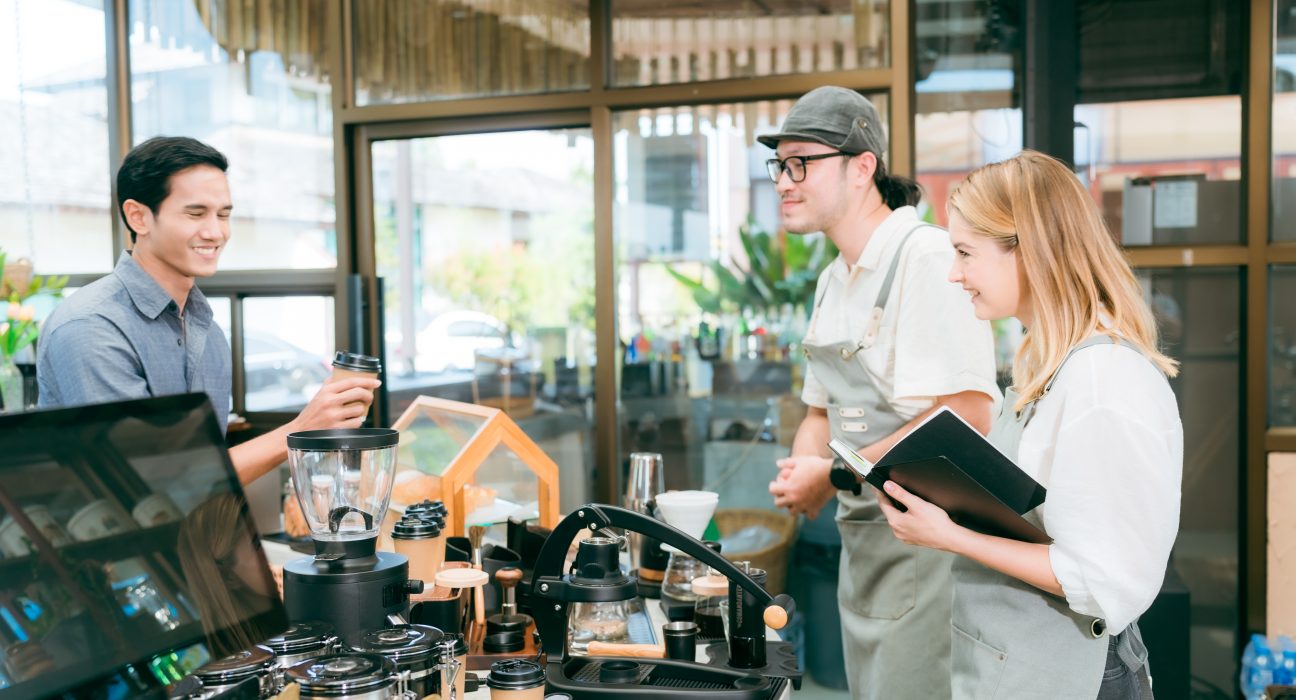
Customer Interaction: Staff should be equipped to answer questions from customers about halal certification and the ingredients used in their beverages. They should be able to explain why certain ingredients are used and how the coffee is prepared to meet halal standards.
Halal certification often requires that coffee shop staff undergo periodic training to ensure that they stay up to date with halal practices and remain compliant with certification guidelines.
6. Building Customer Trust and Loyalty:
The ultimate benefit of halal certification for coffee shops is the trust and loyalty it builds among customers, particularly the Muslim community. When a coffee shop is halal-certified, Muslim customers can confidently walk in, knowing that their dietary requirements are being met.
Trust is fundamental in fostering long-term relationships with customers. Halal certification shows that a coffee shop takes its responsibility to provide ethical, religiously compliant products seriously. This commitment to customer needs can enhance brand reputation and customer loyalty, as customers are more likely to return to a coffee shop that respects their beliefs and dietary requirements.
Conclusion:
Halal certification affects every aspect of coffee shop operations, from the sourcing of coffee beans to employee training and customer service. It ensures that all products offered in a coffee shop, from coffee beans to syrups and milk, are sourced ethically and prepared in compliance with Islamic dietary laws. Halal certification also protects coffee shops from cross-contamination risks, promotes transparency, and builds customer trust.
For coffee shop owners, obtaining halal certification not only helps cater to the needs of Muslim customers but also aligns the business with ethical and sustainable practices. It allows them to tap into a growing market of conscious consumers who value quality, transparency, and ethical sourcing. Halal certification is not just a regulatory process—it’s an opportunity to foster trust, improve quality, and create an inclusive environment where all customers can enjoy a good cup of coffee with peace of mind.