
Coffee culture has evolved over the years, shifting from a simple beverage to an intricate experience—one that brings people together, fosters community, and celebrates diverse flavors. However, for many Muslims around the world, the rise of coffee culture has presented unique challenges. Traditional coffee shops often offer beverages and treats that may not meet halal (permissible) standards, leaving Muslim consumers searching for alternatives that align with their dietary and religious values.
Enter halal coffee shops: a burgeoning trend that is revolutionizing the coffee industry by not only meeting the needs of the Muslim community but also introducing a fresh perspective to the global coffee scene. These shops are setting new standards for ethical sourcing, innovative brews, and cultural inclusivity, offering a space where everyone, regardless of faith or dietary preference, can come together to enjoy a high-quality coffee experience. But what makes halal coffee shops so revolutionary, and how are they changing the face of coffee culture?
The Rise of Halal Coffee Shops:
In recent years, there has been a significant increase in demand for halal products globally. As the Muslim population grows and becomes more diverse, halal consumer goods are emerging as a major market force. Coffee, a beloved global beverage, is no exception. Halal coffee shops are redefining the coffee experience by offering a wide range of beverages, snacks, and desserts that adhere to Islamic dietary laws, ensuring that Muslim coffee lovers can indulge in their favorite drinks without compromising their values.
The halal coffee movement isn’t just about catering to the Muslim community—it’s about creating an inclusive space where people of all backgrounds feel welcome to enjoy exceptional coffee. From offering alcohol-free drinks to using halal-certified ingredients, these coffee shops are driving innovation in a traditionally established industry. And while they are designed with Muslims in mind, the inclusive nature of halal coffee shops means that non-Muslims are also enjoying the unique offerings that these establishments bring to the table.
What Makes Halal Coffee Shops Different?
1. Halal Ingredients and Ethical Sourcing:
At the heart of every halal coffee shop is the commitment to using ingredients that adhere to halal dietary guidelines. This means no alcohol-based syrups or flavorings, no non-halal animal-derived products (like gelatin or certain food colorings), and no cross-contamination with haram (forbidden) substances. Halal certification ensures that the entire menu is in line with Islamic principles, offering peace of mind to Muslim customers who want to ensure their food and drink are ethically sourced and prepared.
Moreover, halal coffee shops often focus on ethical sourcing and fair trade. Many work with coffee bean suppliers who use sustainable farming practices and ensure that workers are paid fair wages. By emphasizing ethical sourcing, halal coffee shops contribute to a coffee culture that is socially responsible, while also addressing the concerns of consumers who want to make more conscious choices.
2. A Diverse and Inclusive Menu:
The global demand for halal products is not limited to Muslims. People of all backgrounds and dietary preferences are increasingly seeking more inclusive dining options, and halal coffee shops are stepping up to the plate. These establishments offer a wide range of beverages, from classic espresso-based drinks to more innovative brews like the popular Turkish coffee or Moroccan-style mint tea. Many halal coffee shops also incorporate unique spices and flavors, such as cardamom or rose water, that add a new dimension to traditional coffee offerings.
But it’s not just about drinks—halal coffee shops are also known for their diverse range of snacks and desserts. From baklava to date-filled pastries and from halal-certified cakes to savory pastries, halal coffee shops offer something for everyone. With an eye toward inclusivity, these cafés are catering to various dietary preferences, including offering vegan, gluten-free, and dairy-free options, making them an ideal spot for families, groups of friends, or solo coffee enthusiasts.
3. Alcohol-Free Beverages and Creative Alternatives:
One of the key aspects of halal coffee shops is that they offer alcohol-free alternatives, a requirement for a coffee shop to be considered halal. Many traditional coffee shops use alcohol-based flavorings or syrups, which can limit the options for Muslim customers. However, halal coffee shops have eliminated these ingredients and often go the extra mile to create inventive beverages that provide the same delicious experience without the alcohol content.
For example, many halal coffee shops offer unique flavorings made from herbs, spices, and fruit extracts, adding a creative twist to classic coffee drinks. In addition to traditional offerings like cappuccinos, lattes, and mochas, you may find signature beverages like pistachio lattes, saffron-infused coffees, or cardamom-spiced iced drinks. These alternative flavors are not only halal-friendly but also give customers a new way to enjoy their favorite beverages.
4. Welcoming and Inclusive Atmosphere:
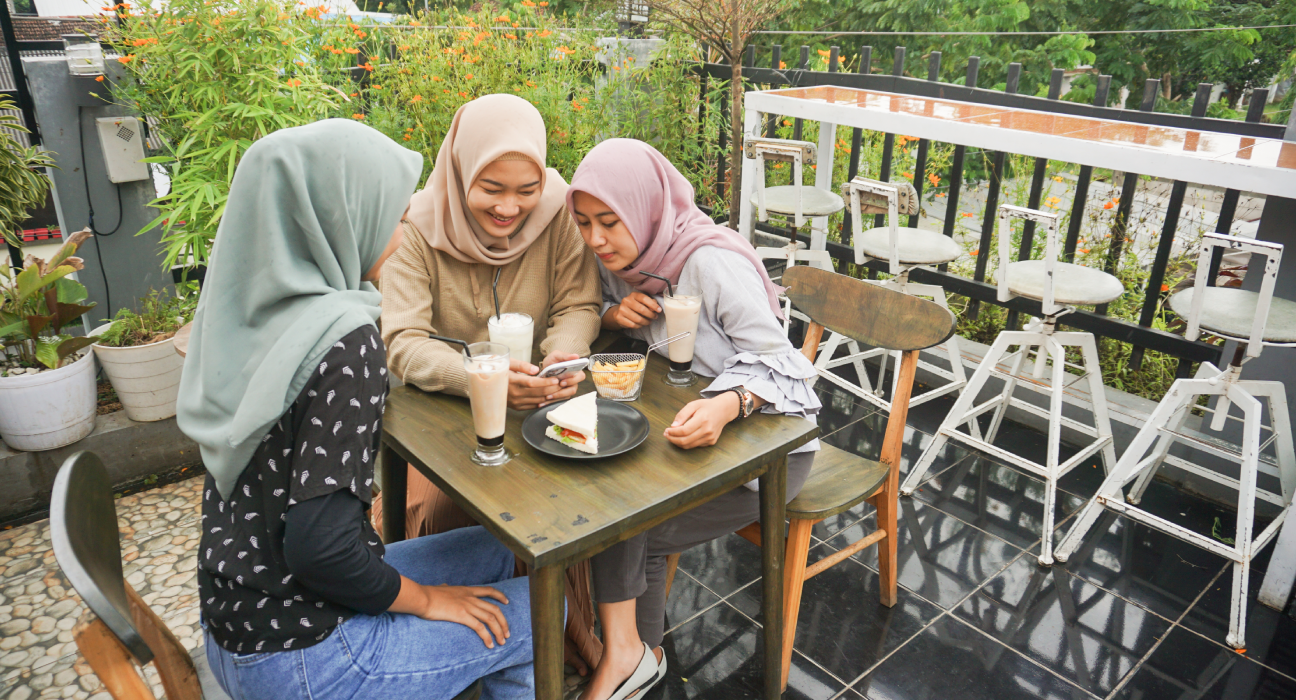
Beyond the menu, halal coffee shops are redefining the coffeehouse experience by providing an inclusive, welcoming environment. Many of these shops are designed with family-friendly spaces in mind, offering larger seating areas, children’s play zones, and prayer spaces. Halal coffee shops also cater to the Muslim community’s need for halal food and drink, but their welcoming nature makes them accessible to everyone.
For non-Muslim customers, these establishments offer the chance to experience coffee in a new way, allowing them to explore different cultural traditions and flavors. Whether it’s a non-Muslim guest enjoying a classic cappuccino or a Muslim customer enjoying a halal-certified Turkish coffee, halal coffee shops provide a space where everyone can bond over a shared love of good coffee.
5. Cultural Representation and Innovation:
Halal coffee shops are not only challenging the norms of the coffee industry but also offering a platform for cultural representation. Many halal coffee shops embrace Middle Eastern, South Asian, and Southeast Asian coffee traditions, such as Arabic coffee or Indian-style chai, offering a taste of the diverse cultures that make up the global Muslim community.
In addition, these coffee shops are playing an important role in redefining the boundaries of coffee culture itself. Halal coffee shops are pushing the limits of what a coffee shop can be, incorporating new brewing methods, bold flavors, and cross-cultural influences to create something truly unique. This innovation is reshaping the future of coffee, making it more inclusive and reflective of the world’s diversity.
The Impact of Halal Coffee Shops on Coffee Culture:
Halal coffee shops are not just changing the way we consume coffee—they are altering the very fabric of coffee culture. With their emphasis on inclusivity, ethical sourcing, and diverse menus, they are setting new standards for what a coffee shop should be. They are opening up new conversations about food ethics, inclusivity, and the importance of cultural representation in the food and beverage industry.
The popularity of halal coffee shops is a testament to the demand for diversity in the coffee industry. As more people seek halal-certified options, halal coffee shops are becoming part of the larger global coffee conversation, influencing the way coffee is perceived, prepared, and consumed.
Conclusion: A New Era for Coffee Lovers:
Halal coffee shops are revolutionizing coffee culture by offering an inclusive, ethical, and innovative experience that caters to a wide range of tastes, preferences, and dietary needs. These establishments are creating a new space where people from all backgrounds can come together, enjoy a cup of high-quality coffee, and appreciate the cultural diversity that coffee has to offer.
As the coffee industry continues to evolve, halal coffee shops will undoubtedly play an important role in shaping the future of coffee culture—one that is more inclusive, diverse, and reflective of the world’s growing desire for ethical and inclusive options. Whether you’re a coffee connoisseur or just someone looking for a great place to enjoy a cup of coffee, halal coffee shops are leading the way in redefining what it means to enjoy a great brew.
`