
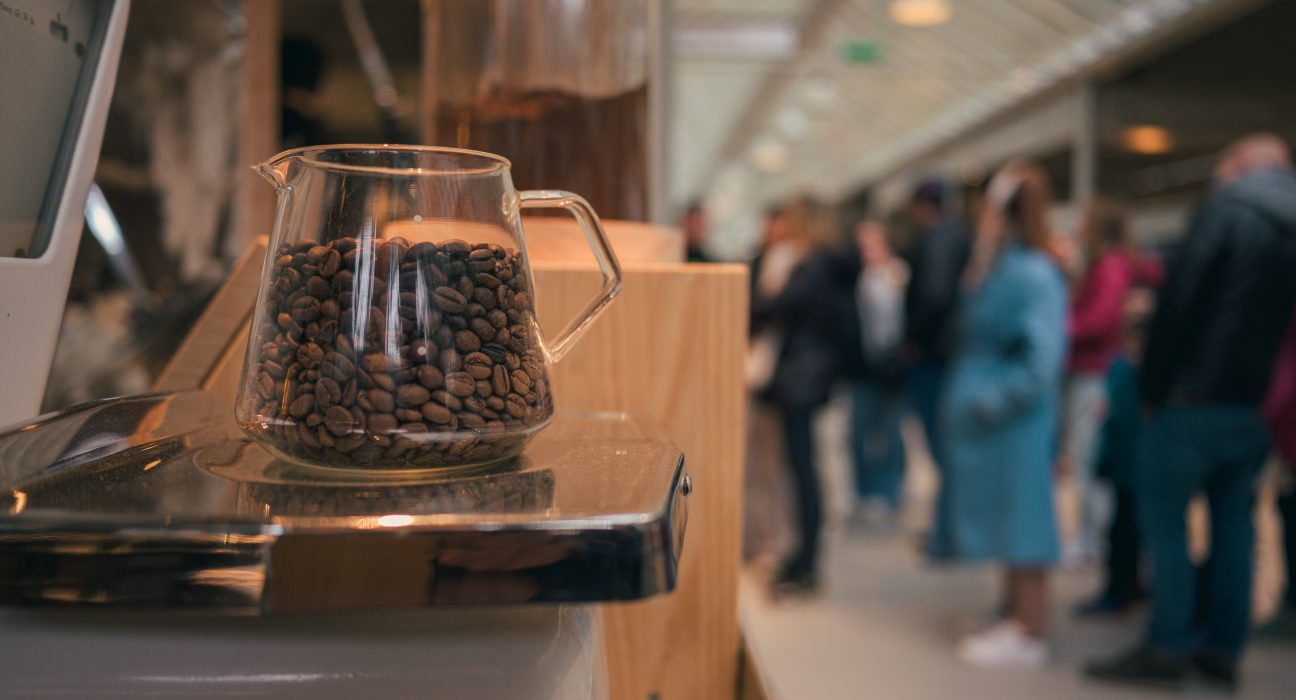
Coffee has always been more than a drink — it’s a story, a ritual, and for millions of Muslims around the world, a way to connect faith with flavor. In recent years, halal coffee festivals have begun to emerge as vibrant celebrations of ethical brewing, cultural heritage, and Muslim entrepreneurship. These events aren’t just about caffeine; they’re about community, craftsmanship, and conscious living.
Whether you’re a passionate barista, a coffee lover, or someone curious about halal culture, this guide takes you on a journey through the growing world of halal coffee festivals — where every cup tells a story of sustainability, spirituality, and social connection.
The Rise of Halal Coffee Festivals:
In the past decade, the global halal lifestyle industry has experienced explosive growth — spanning everything from food and fashion to travel and wellness. Coffee culture has followed suit. Muslim consumers are not just drinking coffee; they’re shaping how it’s sourced, brewed, and celebrated.
Halal coffee festivals emerged from this cultural shift. They blend the sophistication of specialty coffee expos with the soul of community gatherings. These events highlight halal-certified products, Muslim-owned coffee brands, and ethical roasters who uphold the values of fairness, purity, and sustainability.
Industry expert Nadia Rahman, organizer of the annual Halal Coffee & Culture Expo in London, explains:
“Our goal is to showcase that halal coffee isn’t a niche — it’s a movement. It’s about integrity, community, and respect for the environment. We want to celebrate coffee as both an art and an ethical choice.”
What Makes a Coffee Festival “Halal”?
At first glance, a halal coffee festival might look like any other coffee expo — filled with aroma-rich stalls, latte art demos, and endless tasting sessions. But the core principles set these festivals apart.
Here’s what defines a halal coffee festival:
Halal-certified ingredients:
Every product, from syrups and desserts to beans and milk alternatives, is verified as halal — free from alcohol, pork derivatives, or any non-permissible additives.Ethical sourcing:
Most participating roasters follow fair-trade and environmentally sustainable practices, aligning with Islamic ethics of justice and stewardship (amanah).Community focus:
These festivals often support local Muslim entrepreneurs, small roasters, and artisan vendors.Inclusive environment:
Alcohol-free and family-friendly, they provide safe spaces where people of all backgrounds can enjoy coffee without compromising their values.
In short, halal coffee festivals embody the harmony between faith and flavor — blending traditional hospitality with modern coffee culture.
The Experience: What to Expect at a Halal Coffee Festival:
If you’ve never attended a halal coffee festival before, picture this: rows of artisan coffee stalls, the sound of espresso machines hissing, and the scent of roasted beans mingling with notes of cardamom and dates.
Here’s what you can expect when you attend:
1. Coffee Tastings and Workshops
The heart of any halal coffee festival is its tasting experience. Visitors can sample ethically sourced brews from around the world — Ethiopian, Yemeni, Indonesian, and Colombian beans roasted to perfection.
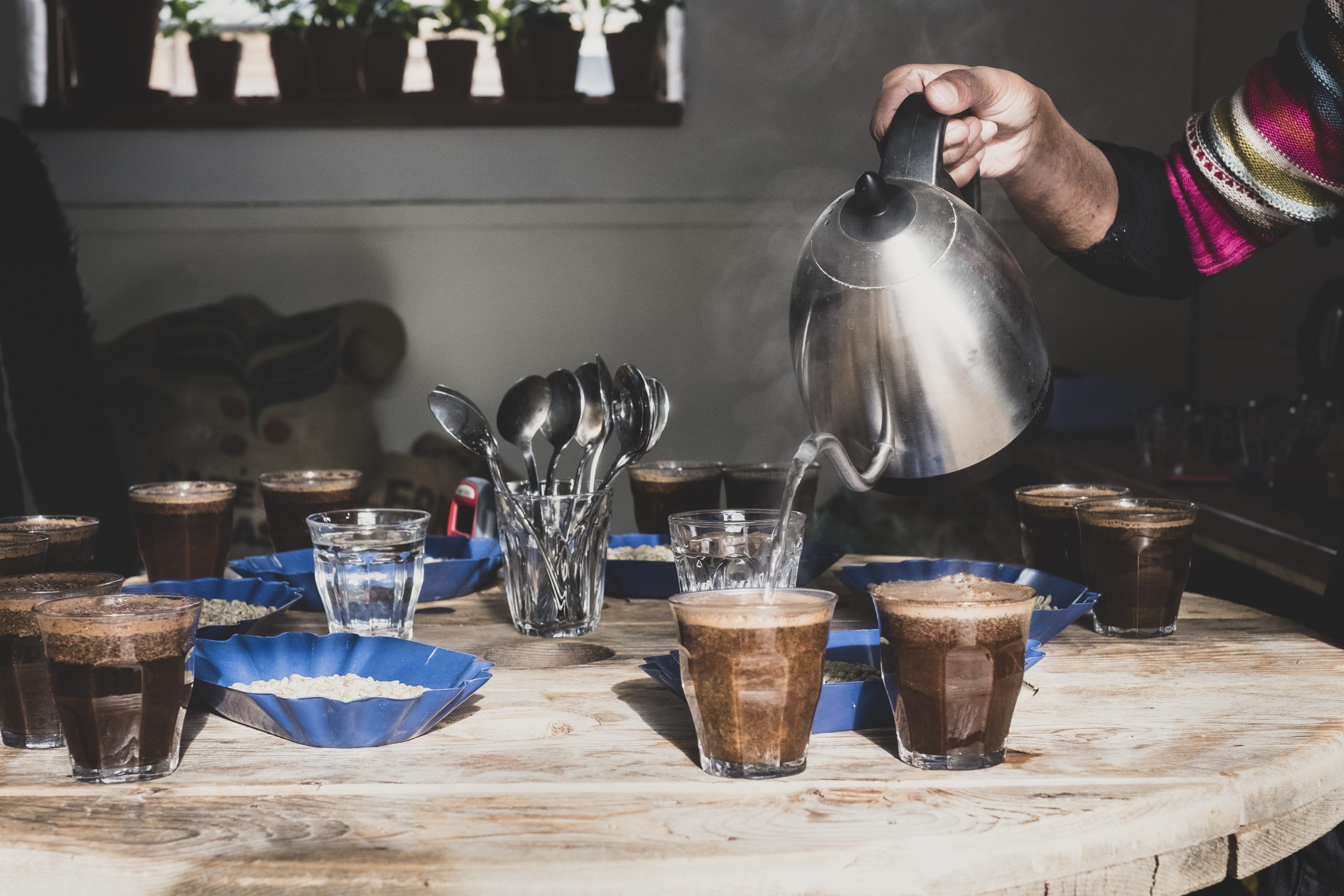
Many festivals host workshops where baristas teach latte art, brewing techniques, and coffee cupping (tasting for quality and aroma). These sessions also explore halal brewing methods — avoiding alcohol-based flavoring or infusions common in mainstream coffee culture.
2. Cultural Exhibits and Traditions:
Halal coffee festivals don’t just serve drinks; they tell stories. You’ll often find cultural zones showcasing traditional coffee ceremonies from different Muslim regions.
For example:
The Arabian Qahwa Ceremony: Demonstrating how coffee was first brewed in Yemen and Saudi Arabia with cardamom and saffron.
Turkish Coffee Rituals: Featuring sand-brewed techniques and ornate serving sets.
Indonesian Kopi Culture: Highlighting how coffee shaped local trade and Islamic scholarship.
Each performance connects attendees to the roots of halal coffee — reminding them that this beverage has been part of Islamic civilization for centuries.
3. Ethical Marketplaces:
At the festival marketplace, visitors can browse halal-certified coffee beans, brewing equipment, and desserts — all from Muslim-owned businesses and ethical vendors.
Expect to find:
Organic Yemeni or Ethiopian coffee beans.
Non-alcoholic coffee syrups (vanilla, caramel, hazelnut).
Handmade ceramic mugs, hijabi barista aprons, and branded merchandise.
Halal-friendly pastries and desserts (no gelatin or alcohol).
These markets aren’t just about shopping; they’re about supporting entrepreneurship and empowering local communities.
4. Panel Discussions and Talks:
Many halal coffee festivals feature educational talks from roasters, scholars, and sustainability advocates. Topics often include:
The Islamic roots of coffee and trade.
The economics of ethical sourcing.
Muslim women in the coffee industry.
Building sustainable halal brands.
These sessions help bridge faith and business — showing that entrepreneurship, when guided by ethics, can be both profitable and purposeful.
5. Family and Youth Activities:
Unlike conventional expos, halal coffee festivals are designed to be inclusive for all ages. Many include children’s play areas, Islamic art workshops, and youth entrepreneurship booths.
Families can enjoy coffee tastings while kids engage in creative activities. It’s not uncommon to see entire communities coming together — from students to parents to local imams — united over coffee and connection.
Popular Halal Coffee Festivals Around the World:
While halal coffee festivals are still a growing phenomenon, several major cities are leading the movement.
1. Halal Coffee & Culture Expo – London, UK:
One of the largest gatherings celebrating Muslim-owned coffee brands, sustainable roasters, and ethical artisans. It features workshops, art exhibits, and guest talks from global Muslim entrepreneurs.
2. Halal Coffee Fest – Kuala Lumpur, Malaysia:
A vibrant annual event combining traditional Malay coffee ceremonies, halal beverage innovation, and international exhibitors. It’s a must-visit for coffee lovers across Southeast Asia.
3. Halal Food & Coffee Show – Dubai, UAE:
Part of Dubai’s broader halal lifestyle expo, this festival features luxury halal cafés, premium roasters, and dessert chefs showcasing fusion flavors like saffron latte and pistachio macchiato.
4. Toronto Muslim Coffee & Culture Fair – Canada:
A grassroots event celebrating Muslim-owned coffee shops in North America. It promotes small businesses, local roasters, and interfaith community building through shared coffee experiences.
Each of these festivals highlights the diversity of halal coffee culture — proving that halal isn’t a limit, but a creative foundation for innovation and connection.
Why Halal Coffee Festivals Matter:
Halal coffee festivals aren’t just events; they’re cultural movements. They reflect how Muslim communities are reclaiming and reimagining coffee’s role in daily life.
Here’s why they’re so significant:
Empowering Muslim Entrepreneurs: These festivals give small café owners and roasters global exposure and networking opportunities.
Encouraging Ethical Consumption: They educate consumers about sustainability, fair trade, and halal integrity.
Building Community: They create inclusive spaces that welcome Muslims and non-Muslims alike.
Preserving Tradition: They celebrate coffee’s historical ties to the Muslim world — from Yemen’s highlands to Ottoman cafés.
Redefining Modern Halal Living: They show that halal can be stylish, sophisticated, and globally relevant.
Tips for Attending a Halal Coffee Festival:
If you’re planning to attend one, here are a few ways to make the most of your experience:
Come early: The best workshops and tastings fill up quickly.
Bring your own reusable cup: Stay eco-friendly — it’s part of the halal ethic.
Ask questions: Talk to vendors and learn about their sourcing and halal certification.
Support local brands: Buy from Muslim-owned or ethical coffee businesses.
Share your experience: Post photos and reviews on social media to help the movement grow.
Final Thoughts:
Halal coffee festivals are redefining how we experience coffee — transforming a global beverage into a symbol of ethics, community, and culture. They remind us that enjoying coffee can be more than a routine; it can be a reflection of who we are and what we believe in.
From the traditional Yemeni qahwa to the modern halal latte, each cup served at these festivals carries a message of integrity, gratitude, and connection. So, the next time you hear about a halal coffee festival in your city, grab your cup, bring your curiosity, and join a movement that’s brewing goodness — one ethical sip at a time.