
Coffee, in many parts of the world, is more than just a beverage; it’s an essential part of culture, hospitality, and community. For Muslim societies, coffee holds a unique place in their social and religious practices. From the bustling streets of Istanbul to the vibrant cafes of Cairo, coffee has long been a symbol of togetherness, hospitality, and social bonding. Whether it’s shared among family members after prayer or offered to guests as a sign of respect, coffee plays a central role in fostering unity within Muslim communities.
In this blog, we’ll explore the cultural significance of coffee in Muslim societies, examining how it brings people together, serves as a medium for conversation, and strengthens community bonds. We’ll also look at how coffee rituals reflect Islamic values of hospitality, generosity, and shared experiences, making it a key element in Muslim social life.
1. The Role of Coffee in Muslim Hospitality:
Hospitality is a deeply ingrained value in Islam, with numerous teachings encouraging Muslims to offer guests the best treatment possible. Coffee, being an integral part of daily life in many Muslim-majority countries, has become a symbol of that hospitality. Offering coffee to a guest is a sign of respect, and it’s often the first gesture made when welcoming someone into a home.
What Makes It Special:
A Warm Welcome: In Muslim societies, offering a cup of coffee to guests is an act of kindness and a way to make them feel at home. It’s an unspoken rule that coffee should be served to anyone visiting, whether they are close family, friends, or even strangers. It’s a way to break the ice and start a conversation, symbolizing the host’s willingness to share not just food and drink, but time and companionship.
Generosity and Respect: The act of offering coffee aligns with the Islamic teachings of generosity and hospitality. By offering coffee, hosts not only welcome their guests into their homes but also extend goodwill, ensuring the guest feels respected and cared for.
In countries like Saudi Arabia, Kuwait, and the UAE, the ritual of serving coffee—often spiced with cardamom or saffron—is a longstanding tradition that symbolizes the generosity of the host. The coffee is often served in small, handle-less cups known as finjan, and the host will continue to pour and offer refills to ensure the guest feels honored.
2. Coffeehouses as Community Hubs:
Historically, coffeehouses have played a central role in Muslim communities. These communal spaces, known as qahwa khaneh in the Persian and Turkish world, were more than just places to drink coffee—they were vibrant hubs of social interaction, intellectual discussion, and community-building. From the 15th century onwards, coffeehouses became essential to urban life in cities across the Ottoman Empire, Persia, and the broader Muslim world.
What Makes It Special:
Centers of Socialization: Coffeehouses offered a space where people could gather, share stories, debate ideas, and discuss matters of importance. They became centers of intellectual life, where poets, artists, scholars, and even politicians would come together to exchange ideas. Coffee served as a catalyst for conversation, and the atmosphere was one of openness and camaraderie.
Building Community: In Muslim societies, coffeehouses fostered a sense of community by bringing together people from different walks of life. Whether it was the wealthy elite or common folk, coffeehouses offered a neutral ground for social interaction. These spaces allowed individuals to bond over coffee, share common experiences, and engage in dialogue, strengthening the social fabric of the community.
In cities like Istanbul, Cairo, and Damascus, the coffeehouse was an important part of daily life. They were not just places to drink coffee; they were places where community members could share news, form connections, and engage in collective activities. This tradition continues today in many parts of the Muslim world, with modern cafés serving as new iterations of these age-old gathering spots.
3. Coffee and Family Bonds: Shared Moments Over Coffee:
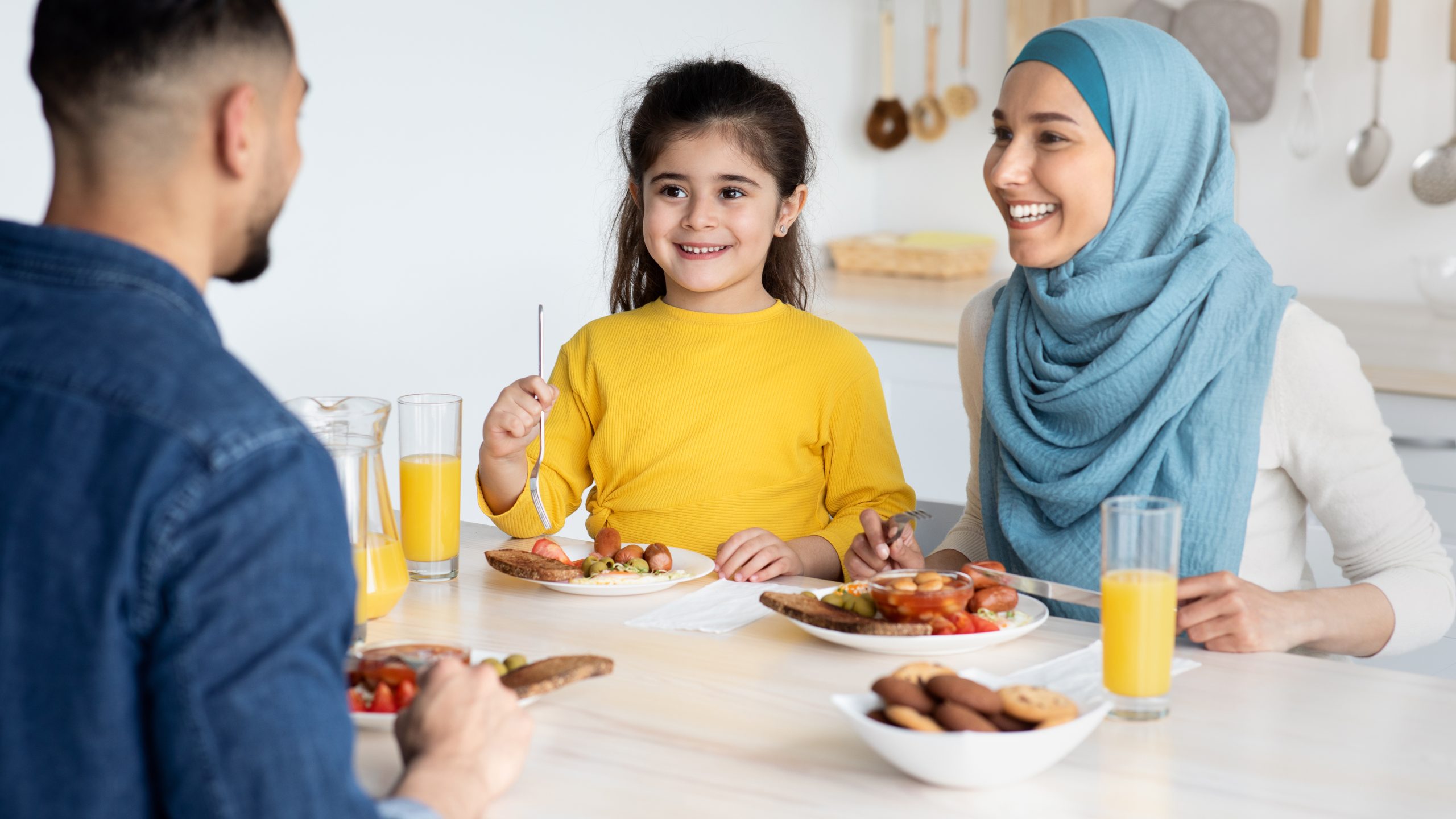
In Muslim households, coffee is often an integral part of daily life. It’s not just something consumed out of necessity but a beverage that brings families together. Whether it’s after Fajr (morning) prayers or during social gatherings, sharing a cup of coffee is a ritual that promotes closeness, relaxation, and bonding.
What Makes It Special:
Quality Time Together: In many Muslim cultures, families take the time to enjoy a cup of coffee together, especially during important moments. This could be after prayer, during holidays like Eid, or simply after a long day. Coffee serves as an opportunity for family members to pause, connect, and enjoy each other’s company.
Conversations and Storytelling: Coffee time often turns into a moment for conversation and storytelling. Elders may share wisdom with younger generations, siblings may bond over shared experiences, and families may reflect on the day’s events. Coffee, in this context, becomes a tool for fostering deeper connections between family members, allowing them to stay connected emotionally and spiritually.
Rituals of Togetherness: In many Muslim homes, the preparation and serving of coffee is a family ritual. Whether it’s brewing traditional qahwa in a large pot or serving Turkish coffee in small cups, the act of preparing coffee together brings family members closer, reinforcing a sense of togetherness and shared responsibility.
4. Coffee and the Spirit of Togetherness During Ramadan:
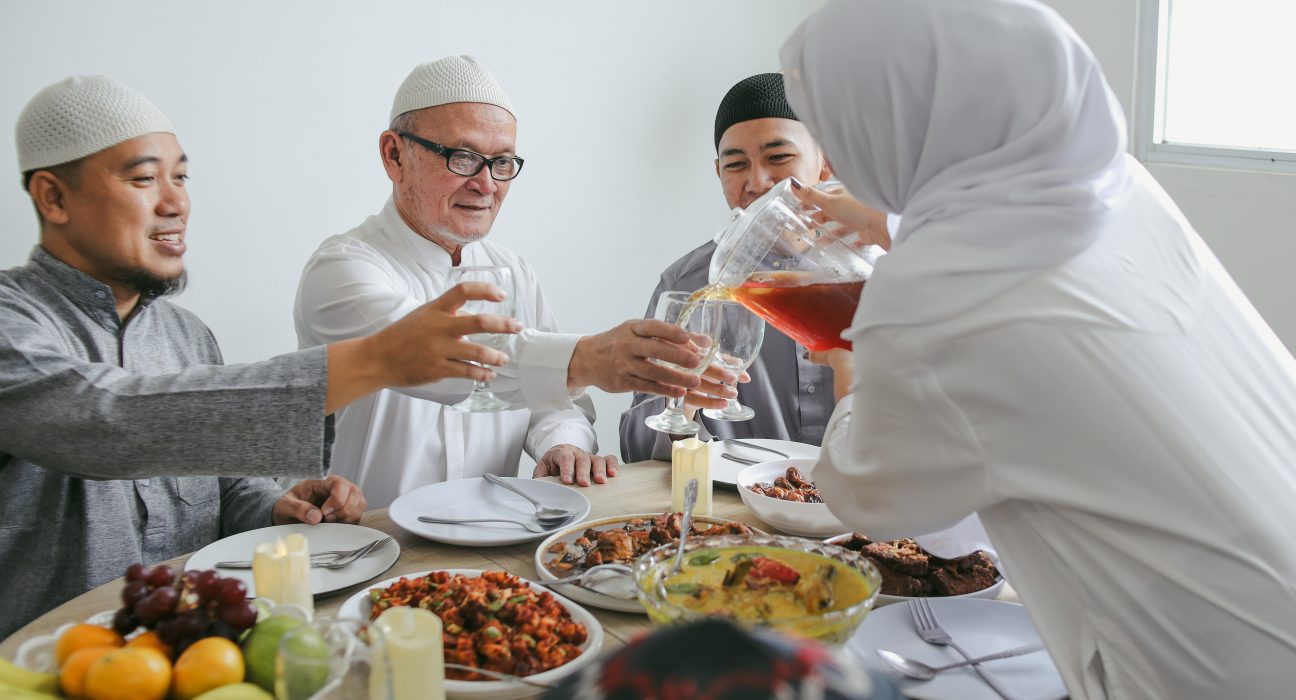
During Ramadan, the act of sharing coffee takes on a deeper spiritual significance. After a day of fasting, Muslims gather with their families and communities to break their fast (iftar), and coffee is often served as part of the evening meal. It provides a comforting and familiar way to re-energize after the long fast, and it fosters a sense of community among those who share the meal.
What Makes It Special:
Breaking the Fast Together: Iftar is a time when families, friends, and neighbors come together to share food and drink. In many Muslim cultures, coffee is an essential part of the iftar meal, enjoyed alongside dates, fruits, and other traditional dishes. The warm cup of coffee symbolizes the end of the day’s fast and the beginning of a shared, communal moment.
The Value of Sharing: Ramadan is a time for Muslims to focus on gratitude, generosity, and community. Offering coffee to guests or sharing a cup with neighbors is seen as an extension of these values. The act of sharing coffee during Ramadan reinforces the importance of community, solidarity, and caring for others.
Coffee as a Comforting Ritual: After a long day of fasting, coffee serves as a comforting ritual that brings warmth and joy. The shared experience of drinking coffee at iftar strengthens the bonds between family members and friends, allowing them to reflect on the spiritual significance of Ramadan while enjoying the company of loved ones.
5. The Globalization of Coffee and Its Continuing Cultural Importance:
As coffee continues to spread across the world, it has maintained its cultural significance in Muslim communities. With the rise of modern coffee shops and international coffee chains, coffee culture has evolved, but the spirit of hospitality and togetherness remains at its core. Halal coffee shops, which offer a wide range of coffee options made with halal ingredients, are now found in cities around the globe, allowing Muslims to enjoy coffee while adhering to their faith’s dietary guidelines.
What Makes It Special:
Modern Halal Coffee Culture: In many cities around the world, halal coffee shops offer specialty drinks, pastries, and snacks in an environment that fosters connection. These coffee shops have become modern-day spaces for socializing, whether it’s a casual meet-up with friends, a family gathering, or a business meeting.
Bringing People Together Across Cultures: Coffee has always been a means of connecting people, and its global reach continues to bring individuals from various backgrounds together. In many multicultural cities, halal coffee shops provide a space where people can connect over a cup of coffee, regardless of their backgrounds or beliefs.
New Rituals in Modern Times: While traditional coffeehouses may have given way to modern cafés, the spirit of hospitality and the role of coffee as a bonding agent remain unchanged. Whether it’s in a bustling city like Istanbul or a quiet corner café in London, the ritual of sharing coffee continues to play an important role in fostering community.
Conclusion:
Coffee holds a unique place in Muslim societies, symbolizing more than just a beverage—it is a symbol of hospitality, generosity, and the importance of community. From the social hubs of coffeehouses in the Ottoman Empire to the intimate family gatherings during Ramadan, coffee has been a means of bringing people together for centuries. The act of offering coffee to guests is deeply rooted in Islamic values of kindness, respect, and social bonding.
As coffee continues to evolve in the modern world, it remains a central element of social life in Muslim communities. Whether it’s shared during a family meal, enjoyed in a bustling coffeehouse, or sipped at iftar during Ramadan, coffee continues to serve as a vehicle for connection, conversation, and the spirit of togetherness. Through the simple act of sharing a cup of coffee, Muslim societies celebrate their rich cultural traditions while fostering relationships that strengthen the fabric of community life.