
Coffee has long been a universal language — a drink that transcends borders, sparks conversations, and brings people together. But in recent years, a new kind of coffee celebration has emerged, one that brews together faith, ethics, and cultural heritage: the Halal Coffee Festival.
These festivals are redefining coffee culture by centering Islamic values of fairness, community, and ethical living. They bring together Muslim entrepreneurs, coffee connoisseurs, and global visitors to enjoy a drink that’s not only delicious but also deeply meaningful.
In this article, we’ll explore how halal coffee festivals celebrate faith, flavor, and culture, and what makes them one of the most inspiring movements in the global coffee scene.
The Spiritual and Historical Roots of Coffee:
Before diving into modern halal coffee festivals, it’s worth remembering that coffee itself has deep Islamic roots. Historians trace its origins back to 15th-century Yemen, where Sufi mystics brewed it to stay alert during nighttime prayers.
From there, coffee spread across the Muslim world — from Mecca to Cairo, Istanbul, and beyond. Coffeehouses, known as qahwa khanas, became social and intellectual hubs where people gathered to discuss religion, poetry, and politics.
Dr. Sameer Al-Khalil, a scholar of Islamic history, notes:
“Coffee began as a spiritual tool, a companion to worship and reflection. Halal coffee festivals today carry that same essence — blending faith and social life in a way that’s both modern and meaningful.”
That connection between spirituality and sociability is precisely what makes halal coffee festivals unique. They honor the beverage’s origins while celebrating its place in contemporary Muslim culture.
What Is a Halal Coffee Festival?
A halal coffee festival is much more than a typical coffee event. It’s a celebration of values — a place where every element of the experience, from sourcing to serving, aligns with halal principles.
Here’s what sets them apart:
Halal-certified products – All ingredients are halal-certified, ensuring that no alcohol-based flavorings, pork derivatives, or non-permissible additives are used.
Ethical and sustainable sourcing – Many participating vendors use fair-trade coffee, support small farmers, and ensure transparent supply chains.
Community and inclusion – These festivals are alcohol-free, family-friendly, and welcoming to people of all faiths.
Cultural celebration – The events honor Islamic traditions while showcasing innovation from Muslim entrepreneurs in the modern coffee industry.
In essence, halal coffee festivals offer a full-sensory experience that’s both ethical and enjoyable — coffee that’s good for the body, soul, and society.
The Global Rise of Halal Coffee Festivals:
Over the last decade, halal coffee festivals have appeared across Asia, the Middle East, Europe, and North America, reflecting a growing global demand for halal and ethically conscious experiences.
From the Halal Coffee & Culture Expo in London to Malaysia’s Halal Coffee Fest and the Toronto Muslim Coffee Fair, these events have become vibrant gatherings for those who appreciate both quality and integrity in their cup.
Aisha Rahman, founder of the Halal Café Network, says:
“Halal coffee festivals are where heritage meets innovation. You’ll find traditional Arabic qahwa ceremonies right alongside modern specialty coffee creations — saffron lattes, pistachio cappuccinos, and more. It’s a celebration of identity and creativity.”
These events are growing not just in size but in influence, shaping how global audiences understand halal living — as something modern, sustainable, and inclusive.
What You Can Expect at a Halal Coffee Festival:
Whether you’re a coffee lover or a curious visitor, halal coffee festivals offer something for everyone. Here’s what makes them truly special.
1. Coffee Tastings from Around the World:
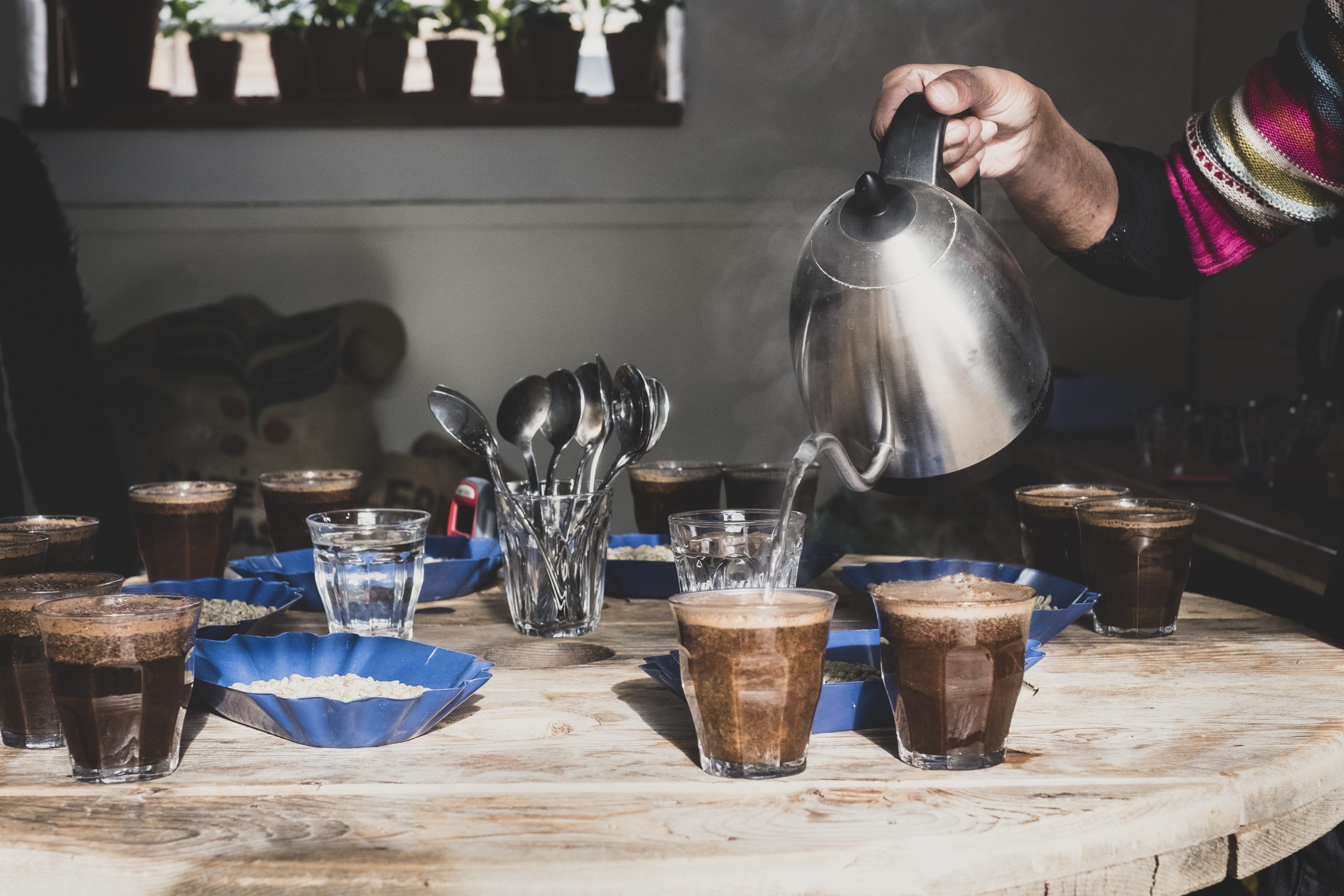
Explore an international journey of flavor — from Yemeni mocha and Ethiopian blends to Turkish coffee and Indonesian single-origin beans. Attendees can sample diverse brews while learning about their cultural significance.
Many festivals also feature tasting sessions with professional roasters and baristas who share insights into halal sourcing, roasting methods, and brewing techniques.
2. Traditional Coffee Ceremonies:
One of the highlights is the reenactment of ancient coffee rituals that show how coffee was originally prepared and shared in Muslim societies.
Visitors might witness:
The Arabian qahwa ceremony, where coffee is brewed with cardamom and saffron.
The Turkish sand coffee tradition, symbolizing hospitality and patience.
The Ethiopian roasting ritual, complete with incense and communal sharing.
These demonstrations remind attendees that coffee is more than a drink — it’s an act of hospitality, respect, and connection.
3. Halal Café Marketplace:
No halal coffee festival would be complete without a bustling marketplace filled with Muslim-owned cafés, roasters, and artisans. You can find:
Halal-certified coffee syrups and beans.
Non-alcoholic mocktail-style coffee blends.
Handcrafted mugs, prayer-inspired designs, and ethical merchandise.
Freshly baked halal desserts — from pistachio macarons to date brownies.
Shopping at these markets supports small, independent Muslim businesses and fosters a sense of global ummah (community).
4. Educational Workshops and Seminars:
For those interested in learning more about coffee or starting their own halal café, these festivals host interactive workshops and expert panels.
Topics often include:
How to build a halal-certified coffee brand.
Understanding fair-trade sourcing in the Muslim world.
The future of halal entrepreneurship in hospitality.
Sustainability and Islamic ethics in business.
Attendees walk away not just inspired, but equipped with knowledge to carry the halal coffee movement forward.
5. Art, Music, and Storytelling:
Beyond coffee, these festivals are celebrations of culture. Many events feature:
Live calligraphy and Islamic art exhibits.
Acoustic performances and spoken word poetry.
Storytelling sessions on coffee’s origins and its spiritual role in Islamic history.
These creative elements make halal coffee festivals feel like a cultural tapestry — blending tradition with modern expression.
How These Festivals Build Bridges:
Halal coffee festivals are about more than caffeine; they’re about connection. They attract Muslims and non-Muslims alike, fostering understanding through shared experiences.
At the Toronto Muslim Coffee & Culture Fair, for example, interfaith panels invite guests of all backgrounds to discuss ethics, sustainability, and spirituality over coffee.
Reverend Michael Allen, who attended one of these panels, shared:
“It’s amazing to see how much overlap there is between faith traditions when it comes to values like fairness and stewardship. Coffee becomes a bridge — a reason to come together.”
In this way, halal coffee festivals embody unity through diversity, using the universal language of coffee to spark meaningful dialogue.
Why the Halal Coffee Movement Matters:
The global rise of halal coffee festivals reflects something larger: a shift toward purposeful consumerism. More people today care about where their food and drinks come from, how they’re made, and who benefits from them.
For Muslims, halal coffee represents faith in action — making everyday choices that align with spiritual and ethical values.
But even for non-Muslims, these festivals are a reminder that ethical consumption benefits everyone. By emphasizing fair trade, sustainability, and inclusivity, halal coffee festivals are shaping a more conscious and connected global coffee culture.
Final Thoughts:
Exploring halal coffee festivals is like taking a journey through time, faith, and flavor. These events celebrate the origins of coffee in Muslim history while highlighting its modern role as a symbol of unity, creativity, and compassion.
From sipping Arabic qahwa in London to trying a cardamom latte in Kuala Lumpur, every experience at a halal coffee festival is a reminder that coffee is more than a drink — it’s a bridge between hearts and cultures.
As these festivals continue to expand across the globe, they’re proving that halal is not just a label; it’s a lifestyle — one that celebrates ethics, artistry, and community, one cup at a time.