
Coffee has long been more than just a beverage in Muslim communities—it is a symbol of hospitality, warmth, and generosity. From the bustling streets of Istanbul to the quiet villages of Morocco, the act of sharing a cup of coffee holds cultural and spiritual significance. In Muslim societies, offering coffee is an integral part of welcoming guests, fostering social bonds, and honoring the sacred practice of hospitality.
For centuries, coffee has played a central role in social gatherings, religious ceremonies, and everyday life in the Muslim world. It is much more than just a drink; it is a ritual, a tradition, and a means of bringing people together. In this blog, we will explore the cultural significance of coffee in Muslim hospitality, examining its deep roots in Islamic traditions, the customs surrounding its preparation and consumption, and its role in modern-day social interactions.
1. The Cultural Roots of Coffee in the Muslim World:
Coffee’s journey through the Muslim world is rich in history, tracing back to the 15th century when it first appeared in the Islamic world. Coffee originated in Ethiopia, but it was in the Arab world—particularly Yemen—that it began to flourish. It was the Yemeni traders who introduced coffee to the wider Muslim world, and by the 16th century, it had become a staple in Ottoman Turkish, Persian, and Arab cultures.
The spread of coffee was closely tied to the rise of Islamic coffeehouses, or qahwa khaneh, which began to emerge in major cities like Istanbul, Cairo, and Damascus. These coffeehouses were not just places to drink coffee, but were cultural hubs where people gathered to discuss politics, engage in intellectual debates, and form social bonds. The tradition of offering coffee in such spaces emphasized the importance of hospitality, as it was common for hosts to offer a warm cup of coffee to anyone who entered their home or establishment.
2. Coffee as a Symbol of Hospitality:
In many Muslim cultures, coffee is seen as an essential part of hospitality, often prepared and served with great care to express respect and honor for the guest. The act of offering coffee signifies the host’s desire to make the guest feel welcome and valued. Whether in a private home or at a local café, the preparation and serving of coffee are done with a sense of pride and ceremony.
Traditional Preparation and Serving:
The way coffee is prepared and served plays a crucial role in Muslim hospitality. For example, in the Arabian Peninsula, Arabic coffee—known as qahwa—is made using lightly roasted coffee beans and flavored with spices such as cardamom, saffron, or cloves. The process of boiling the coffee over a flame and serving it in small, handle-less cups reflects the importance of ritual and attention to detail in hospitality.
In Morocco, atay (mint tea) is often served alongside coffee, symbolizing the country’s fusion of both beverages as an integral part of welcoming guests. In North Africa, coffee is often paired with sweet pastries, such as baklava or briouats, offering guests a delightful and sweet experience as they relax and enjoy their drink.
In many households, the serving of coffee is a sign of respect, especially when it comes to older individuals or distinguished guests. The coffee is served with great humility and care, and the act of serving it is often accompanied by other gestures of hospitality, such as offering sweets or fruits. Offering multiple rounds of coffee is a common practice, symbolizing the host’s willingness to continue the exchange and ensure the guest feels at ease.
3. The Spiritual Significance of Coffee in Islamic Tradition:
Coffee holds spiritual significance in many Muslim communities, particularly during social and religious gatherings. In Islam, hospitality is highly regarded, with the Prophet Muhammad (PBUH) emphasizing the importance of treating guests with kindness and generosity. Offering coffee to guests is seen as an extension of this sacred duty, and it is often considered a way to embody Islamic values of kindness, sharing, and community.
Coffee in Religious Gatherings:
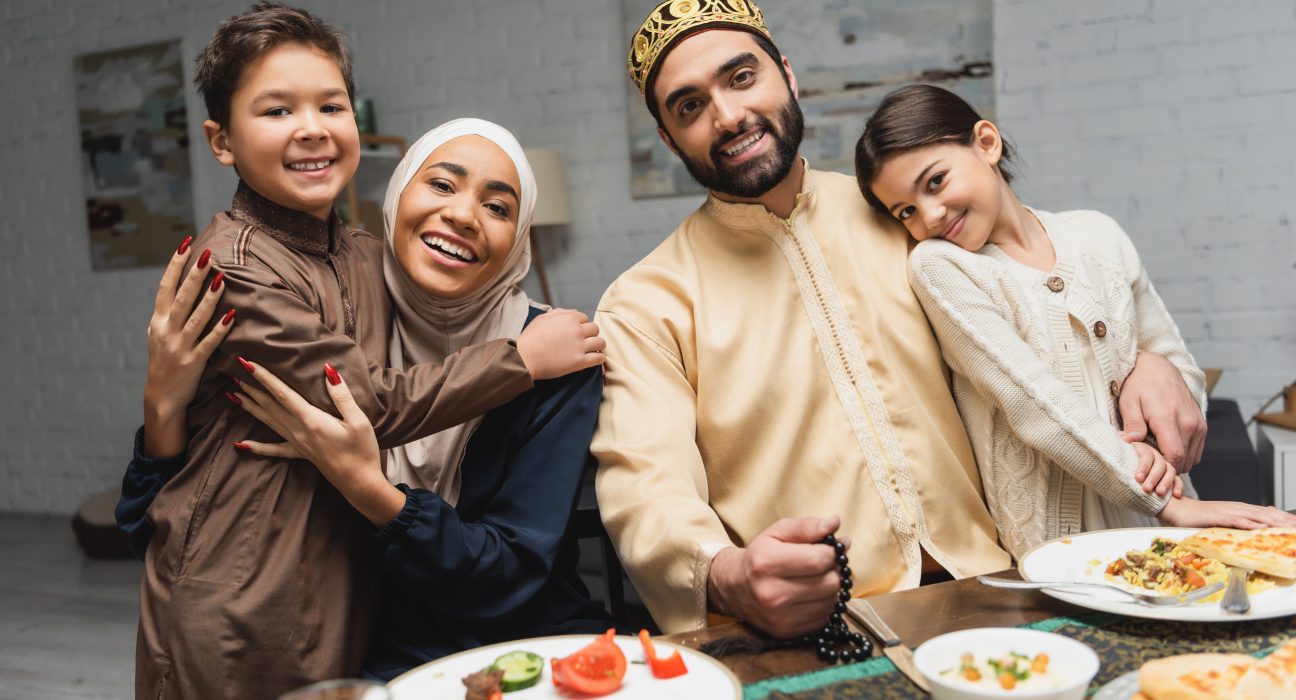
In some Islamic traditions, coffee is offered during religious gatherings, including during iftar (the evening meal to break the fast during Ramadan) or at social gatherings following prayers at the mosque. The shared experience of drinking coffee fosters a sense of community and unity, allowing Muslims to bond and reflect on their shared faith.
During Ramadan, coffee often plays a role in the social rituals of the month. After a long day of fasting, many Muslims look forward to enjoying a cup of coffee with family and friends during iftar. While coffee does not break the fast itself, it is often consumed as part of the larger communal meal that marks the end of the daily fast. The act of sharing a cup of coffee after a day of fasting becomes a powerful symbol of community and togetherness.
4. Coffee and Social Bonding in the Muslim World:
One of the most important aspects of coffee in Muslim hospitality is its role in social bonding. In Muslim communities, sharing coffee is not just about enjoying a drink, but about creating connections with others. Whether it’s a quick cup of coffee with a neighbor or a formal gathering to celebrate a special occasion, coffee provides the perfect setting for meaningful conversations and the strengthening of relationships.
Coffeehouses as Social Hubs:
In the past, coffeehouses were often considered “social forums” where people would gather to discuss politics, share stories, and enjoy intellectual discourse. This tradition of communal coffee drinking continues today in many parts of the Muslim world. In cities like Istanbul, Cairo, and Riyadh, people regularly meet at local cafés to engage in conversation and exchange ideas.
These coffeehouses are seen as places where ideas are exchanged freely, and where community members can come together without the constraints of formal meetings or structured events. The culture of qahwa (Arabic coffee) continues to be a focal point of social life, with many Muslim communities holding coffee as a way to bring people together in a spirit of dialogue and mutual understanding.
5. Coffee’s Role in Modern Muslim Hospitality:
While coffee’s cultural significance has remained strong, its role in modern Muslim hospitality continues to evolve. With the rise of international coffee chains like Starbucks and local coffee shops offering a variety of specialty drinks, coffee has become more widely accessible, yet it still holds cultural significance. In today’s globalized world, Muslims in the diaspora maintain traditional coffee practices, offering halal coffee to family and friends as an expression of hospitality.
Many modern Muslim coffee shops focus on providing a halal-certified experience for their customers, offering a range of gourmet coffee, pastries, and beverages that adhere to halal guidelines. These cafés continue to preserve the ritualistic elements of coffee preparation while incorporating modern flavors and trends.
Halal Coffee in the Modern Context:
With the rise of global coffee chains and the increasing popularity of specialty coffee drinks, many Muslims have embraced the opportunity to enjoy high-quality coffee that adheres to halal standards. Today, halal-friendly coffee shops offer a variety of coffee drinks, such as lattes, cappuccinos, and iced coffees, all prepared with care and attention to detail.
For example, halal-certified coffee shops, like The Coffee House in London or Arabica Café in Dubai, offer a wide range of beverages and snacks while maintaining the traditions of coffee culture within an inclusive and modern environment. These establishments cater to the evolving needs of Muslim consumers, offering a space to enjoy high-quality coffee while maintaining respect for Islamic dietary laws.
6. Coffee and Celebrations: Special Occasions and Gatherings:
Coffee is often served at special occasions and celebrations, adding a layer of warmth and meaning to life’s important moments. Whether it’s a wedding, the birth of a child, a religious celebration like Eid, or even a casual get-together, coffee plays a central role in making the occasion feel special and memorable.
Coffee as a Part of Celebration:
In many Muslim cultures, offering coffee to guests is a way of showing respect and ensuring that the celebration is memorable. It is often served alongside dates, sweets, or other snacks, symbolizing abundance, sharing, and goodwill. During significant life events, the sharing of coffee becomes a gesture of connection and goodwill, reflecting the spirit of hospitality.
For example, during Eid celebrations, families often gather to share coffee after the prayers, exchanging greetings and enjoying each other’s company. In many Middle Eastern countries, it is customary to serve coffee as part of the celebrations, signifying joy and the communal nature of the occasion.
Conclusion:
Coffee holds a special place in Muslim hospitality, acting as both a symbol of warmth and a medium for fostering social connections. From its rich history in the Arab world to its continued cultural significance today, coffee is more than just a drink—it is a tradition, a ritual, and a means of creating bonds. Whether it’s shared in the home, at a mosque, or in a bustling coffeehouse, offering coffee is a sign of respect, generosity, and a commitment to nurturing relationships.
In Muslim communities, the act of sharing coffee embodies the spirit of hospitality, encouraging conversation, building community, and fostering goodwill. From traditional Arabic coffee served in small cups to modern coffee shop trends, coffee remains an essential part of the fabric of Muslim social life, creating lasting memories and strengthening ties between family, friends, and strangers alike.