

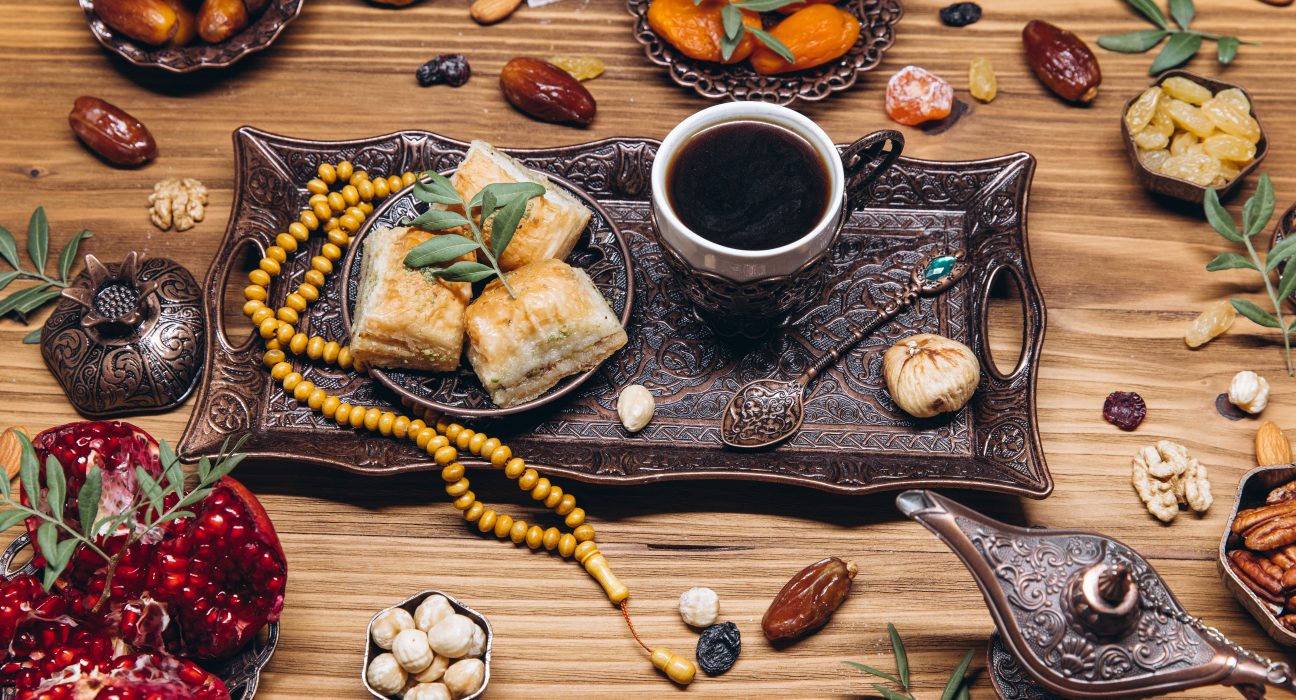
Coffee, a drink loved around the world for its rich taste and stimulating effects, holds a special place in the spiritual and social practices of Muslim communities. While its origins may trace back to the highlands of Ethiopia and its commercial spread began in the Arab world, coffee’s significance extends far beyond its flavor. In the context of Islamic traditions, coffee is not just a beverage; it is a symbol of hospitality, a vehicle for social connection, and an integral part of spiritual rituals.
Throughout history, coffee has been interwoven with Islamic practices, shaping the way Muslims gather, reflect, and interact. From serving coffee as an act of hospitality to its presence during religious gatherings and rituals, coffee plays a unique role in fostering community and enhancing spiritual experiences in Muslim cultures. In this blog, we’ll delve into the spiritual significance of coffee in Islamic traditions, exploring its role in hospitality, social interaction, and its connection to Islamic rituals.
1. Coffee as an Expression of Hospitality in Islamic Culture:
One of the most profound ways in which coffee is intertwined with Islam is through its role in hospitality. In Islamic culture, hospitality is not merely a social custom—it is a deeply spiritual practice that holds immense value. The Prophet Muhammad (PBUH) said, “Whoever believes in Allah and the Last Day should honor his guest.” Offering coffee to a guest is seen as a way to fulfill this sacred duty of welcoming others and ensuring their comfort.
What Makes It Special:
Generosity and Respect: Serving coffee is a sign of respect and generosity toward a guest. In many parts of the Muslim world, coffee is one of the first things offered when someone enters a home. The host will often serve a hot, spiced cup of coffee, sometimes accompanied by dates or sweets, as a symbol of warm hospitality.
Cultural Rituals of Serving Coffee: In the Arabian Peninsula, the preparation of coffee, known as qahwa, is a ritual that involves careful brewing and the addition of spices such as cardamom, cloves, and saffron. The coffee is often served in small, handleless cups called finjan. Offering multiple rounds of coffee is common and symbolizes the host’s willingness to continue the conversation and the exchange of goodwill. This repeated offering of coffee reinforces the bonds of community and friendship.
Hospitality as a Spiritual Duty: For Muslims, hospitality is a means of fulfilling a higher spiritual duty. Offering coffee is not just about providing a drink—it is a way of creating an atmosphere of peace and camaraderie, allowing the guest to feel honored and respected in the host’s home. It is an act of kindness that aligns with the teachings of the Prophet Muhammad (PBUH), who emphasized generosity and the importance of honoring one’s guests.
2. Coffee in Islamic Gatherings and Religious Rituals:
In addition to its role in everyday hospitality, coffee holds significance in various religious contexts, particularly in communal gatherings and during special religious occasions. One of the most notable examples of coffee’s spiritual role in Islamic traditions is its presence during Ramadan, the holy month of fasting.
What Makes It Special:
Iftar and Coffee: During Ramadan, Muslims fast from dawn until sunset. When the fast is broken at iftar (the evening meal), coffee is often served alongside dates and other traditional foods. The warm, soothing drink provides comfort and energy after a long day of fasting, symbolizing spiritual renewal. Coffee, in this context, becomes more than just a drink—it becomes a tool for recharging both physically and spiritually after a day of abstaining.
Tying Coffee with Spiritual Reflection: The consumption of coffee at iftar is not only about quenching thirst but also a moment for reflection. As the family gathers around the table, coffee is often enjoyed with others, fostering a sense of community. The act of breaking bread together, accompanied by a shared cup of coffee, encourages Muslims to reflect on the blessings of the day and the importance of gratitude, unity, and spiritual discipline during Ramadan.
Community Bonding Through Coffee: Coffee serves as a catalyst for social interaction in various Islamic gatherings. Whether it’s after a communal prayer at the mosque or a religious lecture, coffee brings people together to reflect, engage in conversation, and build stronger community ties. This communal sharing is a way of nurturing relationships and extending kindness to others, both of which are highly valued in Islam.
3. The Coffeehouse Tradition: Intellectual and Spiritual Exchange:
Historically, coffeehouses, or qahwa khaneh, have been central to social and intellectual life in the Muslim world. These gathering spaces became places where people would not only sip coffee but also engage in discussions about religion, politics, literature, and philosophy. The rise of coffeehouses in the 15th and 16th centuries, particularly in the Ottoman Empire, marks a significant cultural and intellectual development in the Muslim world.
What Makes It Special:
A Hub for Intellectual Exchange: In cities like Istanbul, Cairo, and Damascus, coffeehouses were centers for intellectual debate and discourse. Scholars, poets, and philosophers would meet at these places, sipping coffee as they exchanged ideas and discussed the affairs of the world. These gatherings allowed Muslims to stay informed about the latest developments in religion and society, while also strengthening the bonds of community.
Coffee as a Facilitator of Spiritual Conversations: Coffeehouses were also spaces where religious discussions took place. For Muslims, these conversations often centered around matters of faith, spirituality, and religious obligations. The act of drinking coffee in these settings helped foster a sense of unity and a shared commitment to Islamic teachings, making the coffeehouse a place of not only socializing but also spiritual reflection.
Community and Fellowship: The coffeehouse culture became an integral part of Muslim community life. It was a place where people could come together after prayers or during free time to connect with one another. This tradition continues today in many parts of the Muslim world, where coffeehouses still serve as places of congregation and exchange, reinforcing community ties and providing opportunities for learning and discussion.
4. Coffee as a Symbol of Blessings and Serenity in Daily Life:
In Islamic culture, the act of drinking coffee extends beyond just the physical pleasure of the beverage—it also represents a moment of spiritual peace and tranquility. Coffee is often enjoyed in the company of others, but it can also be a solitary ritual, offering a quiet moment for reflection and contemplation.
What Makes It Special:
A Moment of Serenity: For many Muslims, drinking coffee is a quiet, reflective activity that allows them to momentarily detach from the hustle and bustle of daily life. Whether it’s having a cup of coffee after Fajr (the dawn prayer) or during the afternoon, coffee provides an opportunity for Muslims to pause and appreciate the simple blessings of life.
Coffee and Gratitude: Islam places great emphasis on being grateful for the provisions one has. Coffee, as a daily ritual, serves as a reminder to appreciate the small blessings that often go unnoticed. The act of preparing and serving coffee, whether in a home or at a café, is a way to cultivate mindfulness and gratitude for the sustenance that Allah has provided.
Symbol of Tranquility: The soothing effect of coffee, combined with its spiritual significance, makes it a drink that brings calm and focus. Whether shared in the company of others or enjoyed alone, coffee is a beverage that encourages contemplation and peace, helping Muslims reconnect with their inner selves and with Allah.
5. The Global Influence of Islamic Coffee Traditions:
As coffee spread from the Islamic world to Europe and beyond, it carried with it not only the cultural significance of the beverage but also the rituals associated with it. The traditions of the Muslim world—whether it’s the preparation of Turkish coffee, the spices used in Arab coffee, or the communal aspects of drinking coffee—have influenced coffee culture worldwide.
What Makes It Special:
Islamic Influence on Global Coffee Culture: The influence of Islamic coffee traditions can be seen in the global popularity of coffee today. From the rich, cardamom-spiced qahwa of the Arabian Peninsula to the sweet, strong Turkish coffee, Muslim societies have shaped the way coffee is consumed around the world.
Cultural Exchange Through Coffee: Coffee became a bridge between cultures, serving as a medium for connection, conversation, and understanding. As Muslims traveled, traded, and engaged with different cultures, they shared the ritual of coffee drinking, which eventually became an integral part of social life in countries around the world. Today, coffeehouses in the Western world, such as Starbucks, offer a range of coffee drinks that are inspired by the traditional preparations of the Muslim world.
Conclusion:
The spiritual significance of coffee in Islamic traditions and rituals extends far beyond its role as a simple beverage. It is a symbol of hospitality, a vehicle for social connection, and a means of fostering reflection and community. Whether it’s shared with a guest as a sign of respect, enjoyed after prayers during Ramadan, or consumed in a coffeehouse as part of an intellectual exchange, coffee continues to play an essential role in the daily lives of Muslims.
From its origins in Ethiopia and Yemen to its spread across the Muslim world and beyond, coffee has remained an important part of Muslim culture for centuries. As a drink that brings people together, facilitates meaningful conversations, and encourages reflection, coffee holds a unique place in the spiritual and social practices of Muslims. Through the ritual of coffee drinking, Muslims continue to celebrate values of generosity, community, and spirituality, making coffee not just a beverage, but a symbol of unity and shared experience.