
The coffee industry is no longer just about serving a good cup of coffee; it’s about how that coffee is sourced, produced, and served. In today’s world, where ethical consumption is becoming increasingly important, halal certification plays a pivotal role in ensuring that coffee shops uphold ethical sourcing practices. For Muslims and conscientious consumers alike, halal certification is a sign that a coffee shop has met the standards required to offer ethically produced and prepared products. But halal certification is not just about following dietary laws—it’s about ensuring that every aspect of sourcing and preparation meets high ethical standards, from the beans themselves to the syrups, flavorings, and even the way the coffee is brewed.
In this blog, we will explore how halal certification guarantees ethical sourcing in coffee shops and why it is important for both consumers and coffee shop owners.
Understanding Halal Certification:
To understand the ethical value of halal certification in coffee shops, it’s important to first know what halal means. In Islamic law, “halal” refers to what is permissible or allowed according to Islamic principles. When it comes to food and beverages, halal certification ensures that the ingredients used are free from any forbidden (haram) substances. These include alcohol, non-halal animal products, and unethical food handling practices.
For a coffee shop to be halal-certified, it must adhere to specific guidelines regarding food sourcing, preparation, and even the cleaning and maintenance of equipment. Halal certification is typically provided by an accredited certifying body that audits the coffee shop’s practices, ensuring they meet these stringent requirements. Once the certification is granted, the coffee shop can proudly display the halal logo, signaling to customers that they are serving products that align with Islamic dietary laws.
However, halal certification in coffee shops goes beyond just making sure the ingredients are permissible. It also ensures that ethical sourcing practices are followed across the board, making it a significant step toward sustainability, social responsibility, and consumer trust.
1. Ethical Sourcing of Coffee Beans:
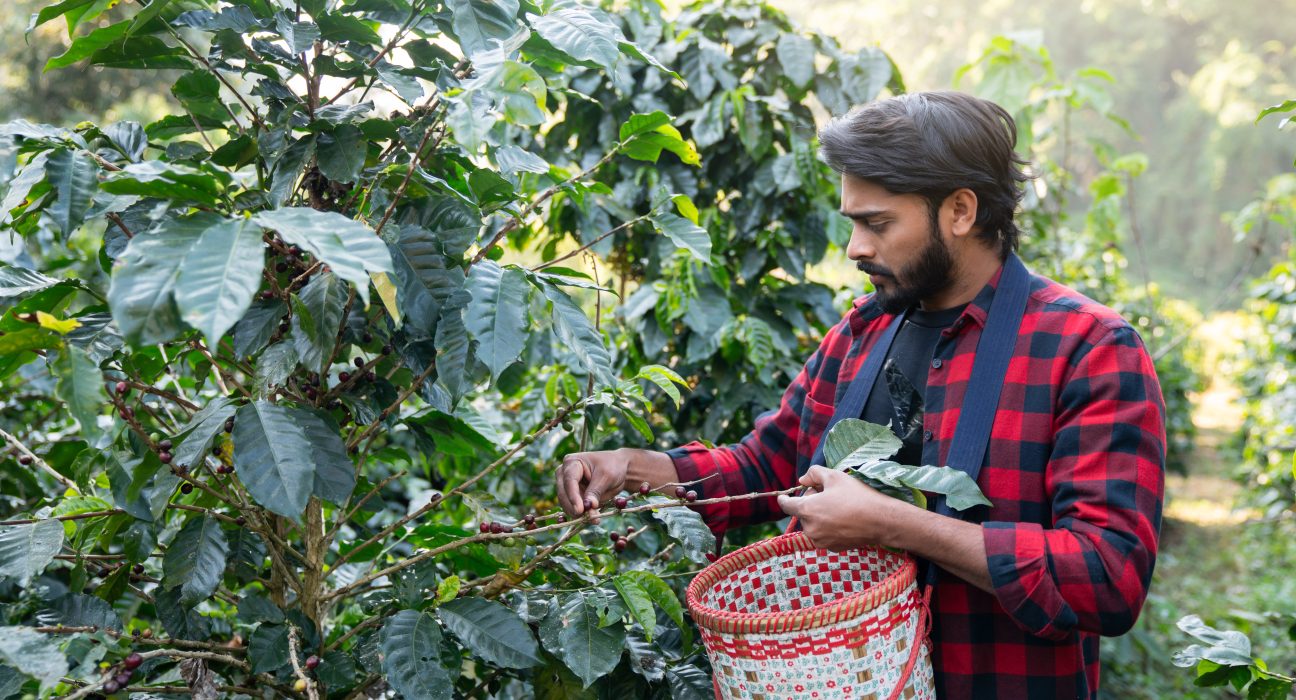
One of the most important aspects of halal certification in coffee shops is the sourcing of coffee beans. Coffee beans come from all over the world, often grown in regions with complex environmental and social issues. Coffee farmers may struggle with poor working conditions, exploitation, and environmental degradation, which can result in unethical practices. Halal-certified coffee shops take these factors into account and seek out suppliers that adhere to fair-trade practices, ensuring that the beans are sourced from farms that provide fair wages, safe working conditions, and sustainable farming practices.
Halal certification requires coffee shops to trace the origin of their beans and ensure that they are sourced responsibly. This may mean partnering with coffee farms that are Fair Trade Certified or Rainforest Alliance Certified, both of which guarantee ethical sourcing and sustainable farming practices. These certifications not only ensure that the coffee is grown with respect to the environment but also that workers are treated fairly and paid appropriately.
In addition to ensuring fair labor practices, ethical sourcing of coffee beans includes avoiding deforestation and the use of harmful chemicals. Many halal coffee shops actively seek out organic coffee beans, which are grown without synthetic pesticides or fertilizers, further contributing to ethical sourcing practices. By offering halal-certified coffee, coffee shops demonstrate their commitment to sustainable farming and fair labor practices, making it easier for consumers to make ethical choices with their coffee purchases.
2. Ethical Sourcing of Milk and Dairy Products:
Another critical element of halal certification in coffee shops is the sourcing of milk and dairy products, which are often used in popular coffee beverages like lattes, cappuccinos, and flat whites. Halal certification ensures that the milk and other dairy products are sourced from farms that follow ethical practices in line with Islamic principles. This means that no non-halal animal products, such as rennet from non-halal slaughtered animals, are used in the production of dairy items.
Moreover, ethical sourcing of dairy involves ensuring that the farms from which the milk is sourced adhere to humane practices. This includes providing animals with proper living conditions, access to pasture, and avoiding the use of growth hormones or antibiotics that can negatively impact animal welfare. Halal certification guarantees that the entire process, from milk production to its use in coffee drinks, meets these ethical standards.
Additionally, halal coffee shops are increasingly turning to plant-based alternatives to dairy products, such as almond, soy, and oat milk. These options not only cater to a broader range of dietary preferences but also ensure that animal welfare concerns are addressed in the sourcing of non-dairy milk.
3. Eliminating Harmful Additives and Preservatives:
Halal certification also requires coffee shops to ensure that the ingredients they use, such as syrups, flavorings, and sweeteners, are free from alcohol, animal-derived ingredients, and other harmful additives. Many coffee shops use syrups to flavor their drinks, but some of these syrups may contain alcohol or non-halal ingredients such as gelatin, which is derived from non-halal animals. Halal-certified coffee shops ensure that all flavorings and additives are free from such substances.
By choosing halal-certified syrups, coffee shops can guarantee that their drinks are safe and permissible for Muslims to consume, and that they avoid contributing to the consumption of unethical or harmful substances. This includes ensuring that all additives and flavorings are sourced from natural, plant-based ingredients wherever possible, promoting cleaner, more ethical production processes.
Additionally, the halal certification process includes a review of the entire supply chain, ensuring that all ingredients are handled ethically and with care. This scrutiny not only prevents the use of non-halal ingredients but also ensures that no harmful preservatives or chemicals are included in the final products.
4. Ensuring Cleanliness and Preventing Cross-Contamination:
One of the key principles of halal certification is the prevention of cross-contamination between halal and non-halal ingredients. This is particularly important in coffee shops, where a wide variety of food and beverage items are prepared, and the potential for cross-contact with non-halal substances exists.
Halal-certified coffee shops must ensure that their equipment, such as espresso machines, blenders, and grinders, are properly cleaned and maintained to prevent any contamination from non-halal ingredients. This includes making sure that coffee grinders are used exclusively for halal-certified coffee beans and that all equipment used in food preparation is kept separate from any non-halal items.
The certification process ensures that the entire coffee-making process—from grinding the beans to preparing the beverages—is done in a way that maintains the integrity of halal standards. This includes rigorous cleaning protocols and the use of separate utensils for preparing halal and non-halal items.
5. Building Trust and Transparency with Consumers:
Halal certification provides consumers with the confidence that the coffee they are drinking has been ethically sourced and prepared according to high standards. By displaying the halal certification logo, coffee shops signal to their customers that they are committed to providing ethical products that adhere to strict dietary and environmental guidelines.
For coffee drinkers, especially those who follow halal dietary laws, this transparency is crucial. It allows them to make informed decisions about where to spend their money, knowing that the products they are consuming meet their ethical and religious standards. This trust is not only important for Muslim customers but also for ethical consumers who are looking to support businesses that align with their values.
6. Supporting a Growing Market:
As the demand for halal products continues to rise globally, coffee shops that offer halal-certified options tap into an expanding market of conscious consumers. The global halal food market is estimated to be worth over $1.9 trillion, with the coffee segment contributing significantly to this growth. By embracing halal certification, coffee shops can appeal to a diverse customer base, including Muslims, vegetarians, vegans, and ethical consumers.
Conclusion:
Halal certification is a vital tool for ensuring that coffee shops adhere to ethical sourcing practices. From responsibly sourced coffee beans and dairy products to ensuring that all ingredients are free from harmful additives, halal certification guarantees that the coffee shop operates in line with high ethical standards. For both consumers and business owners, halal certification is not just about meeting religious requirements—it’s about fostering trust, transparency, and sustainability in every cup of coffee. By embracing halal certification, coffee shops can make a meaningful contribution to ethical consumption, providing their customers with a product they can feel good about supporting.