
Coffee is one of the world’s most beloved beverages, enjoyed by millions across the globe for its rich flavors, stimulating effects, and social importance. For Muslim communities, however, coffee is more than just a drink—it is deeply intertwined with culture, hospitality, and faith. From the bustling coffeehouses in Istanbul to the intimate gatherings in homes across the Middle East and Southeast Asia, coffee has played a central role in fostering community, facilitating conversation, and even enhancing spiritual experiences.
But how does coffee intersect with Islamic faith and tradition? What makes it unique in Muslim cultures compared to its role in other societies? In this blog, we’ll explore the essence of halal coffee culture—examining how faith, flavor, and tradition come together to create a rich, meaningful coffee experience in Muslim communities.
1. Coffee in Islamic Hospitality: A Symbol of Generosity:
In Muslim cultures, hospitality is deeply ingrained in everyday life, and offering coffee to guests is one of the most important expressions of this hospitality. The act of serving coffee is a way of welcoming guests, showing respect, and reinforcing social bonds. Offering a cup of coffee, especially during a visit or gathering, is a gesture of generosity and kindness, and it is often accompanied by other hospitality practices such as offering dates or sweets.
What Makes It Special:
The Ritual of Serving Coffee: Coffee is traditionally served in small, handleless cups, often called finjan in Arabic. The preparation and serving of coffee can be an elaborate ritual that involves brewing the coffee in a special pot (called dallah or cezve) with spices like cardamom, saffron, or cloves. The act of preparing and offering coffee is seen as a mark of respect for the guest, signaling that they are valued and welcomed.
Hospitality in Islamic Tradition: Islamic tradition places a great emphasis on treating guests with kindness and respect. The Prophet Muhammad (PBUH) said, “Whoever believes in Allah and the Last Day should honor his guest.” Coffee, as an integral part of the hospitality tradition, reflects this value. In many Muslim societies, offering coffee goes beyond mere politeness; it is an expression of generosity that reflects the host’s desire to ensure the comfort and satisfaction of their guest.
Sharing Moments Over Coffee: The sharing of coffee is more than just a physical act—it is a way of bringing people together, engaging in conversation, and creating a sense of community. Whether it’s at home, in a coffeehouse, or at a mosque gathering, coffee offers a communal experience where relationships are nurtured, stories are shared, and memories are made.
2. Coffee as a Catalyst for Socializing: Coffeehouses and Community:
Historically, coffeehouses, known as qahwa khaneh in Persian and Turkish cultures, have served as important social spaces in the Muslim world. These establishments provided a venue for intellectual discussion, artistic expression, and community engagement. In the Ottoman Empire and Persia, coffeehouses became centers for social interaction, where poets, scholars, and common people alike gathered to drink coffee, debate, and share ideas.
What Makes It Special:
Cultural Hubs for Intellectual Exchange: The emergence of coffeehouses in the 15th and 16th centuries marked a significant cultural shift. These spaces allowed people from various backgrounds to come together and engage in conversations about religion, politics, philosophy, and art. Coffee served as both a social drink and a catalyst for exchange, fostering an environment of open dialogue and creativity.
Modern-Day Coffeehouses: While the role of coffeehouses in the Muslim world has evolved, their social function remains crucial. Today, coffeehouses in cities like Istanbul, Cairo, and Dubai continue to be spaces where people gather to relax, catch up with friends, and discuss ideas. Halal coffee shops have also emerged in Western cities, providing Muslim communities with a safe, inclusive space to enjoy coffee in accordance with their faith.
The Role of Coffee in Conversation: Coffee plays an essential role in promoting conversation and social bonding. The shared experience of drinking coffee allows for open communication, whether it’s in a formal setting with guests or a casual meet-up with friends. For many Muslims, offering coffee during a visit to someone’s home or during community events is a way to foster unity and create connections among people.
3. Spiritual Significance of Coffee in Islamic Rituals:
In addition to its cultural role, coffee holds a place in certain spiritual practices and gatherings within the Muslim community. Although not directly linked to religious obligations like prayer or fasting, coffee often becomes a part of Islamic rituals, especially in communal settings.
What Makes It Special:
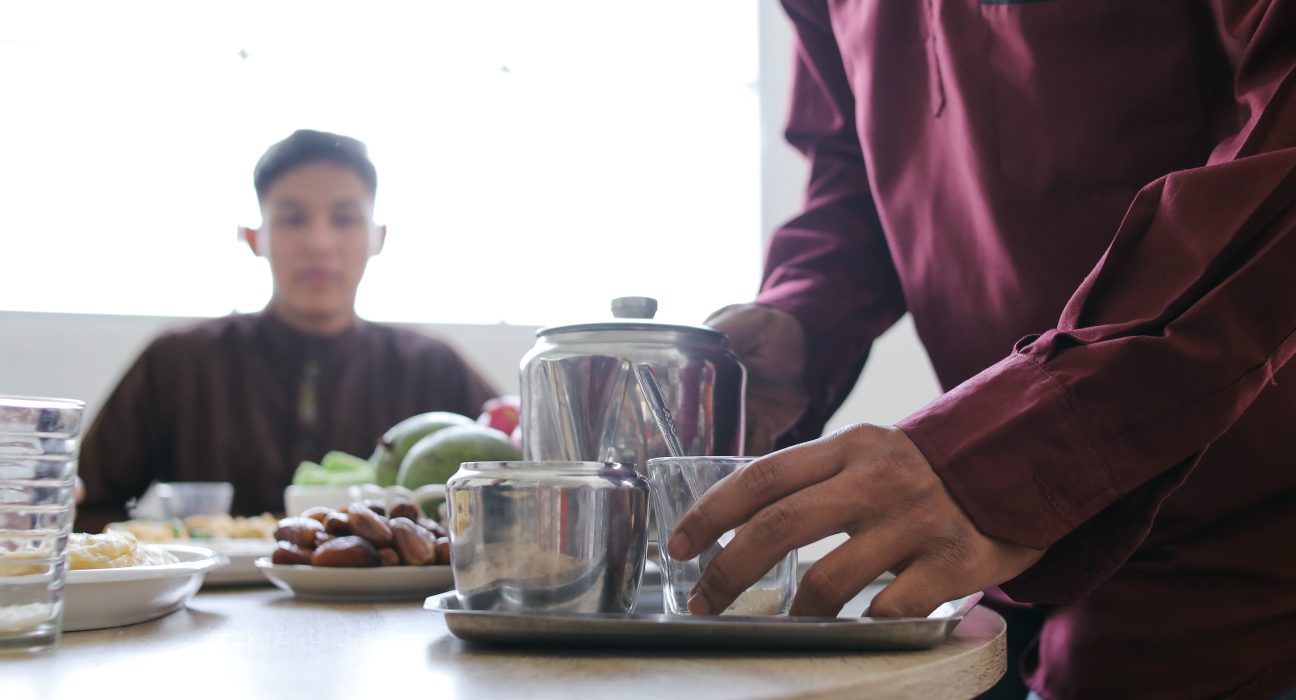
Coffee and Iftar During Ramadan: During the holy month of Ramadan, Muslims fast from dawn until sunset. The evening meal to break the fast, known as iftar, is often accompanied by coffee. After a day of abstinence, coffee offers a comforting and energizing way to revive the senses and restore strength. This tradition highlights the communal nature of the Ramadan experience, where families and friends gather to break their fast together and share a cup of coffee as part of the celebration.
Coffee as a Means of Reflection: Coffee also serves as a quiet moment of reflection and connection with oneself and with Allah. For many Muslims, the act of brewing and drinking coffee is a form of mindfulness—an opportunity to pause, reflect, and appreciate the blessings of life. In a world that is often filled with noise and distractions, coffee provides a simple yet meaningful way to slow down and find moments of peace and tranquility.
Coffee and the Power of Gathering: In Islamic tradition, gatherings that revolve around food and drink—whether in a mosque, home, or café—are seen as opportunities for spiritual connection. Coffee, with its rich aroma and social nature, serves as a medium for fostering unity, sharing, and mutual respect during these gatherings.
4. Halal Coffee: The Intersection of Faith and Flavor:
As coffee continues to gain global popularity, the rise of halal coffee has ensured that Muslim communities can enjoy this beverage without compromising their dietary laws. Halal coffee refers to coffee that is prepared with ingredients and processes that comply with Islamic standards. For example, halal coffee is free from alcohol, gelatin, or other non-halal additives that are commonly used in flavored syrups or coffee creamers.
What Makes It Special:
Ensuring Ethical Consumption: Halal coffee is not just about adhering to religious dietary guidelines; it’s also about ensuring that the product aligns with broader ethical values. Many halal coffee brands focus on sourcing beans ethically, supporting fair trade practices, and ensuring sustainable farming practices. This adds a layer of spiritual mindfulness to the consumption of coffee, as it aligns with the Islamic principles of fairness and justice.
Halal Certification in Coffee Shops: The growing popularity of halal coffee has led to the emergence of halal-certified coffee shops, particularly in Muslim-majority countries and areas with large Muslim populations. These establishments serve a range of specialty coffee drinks, from traditional qahwa to modern lattes and cappuccinos, all made with halal-certified ingredients. In addition to ensuring the beverages meet halal standards, these cafés create a space where Muslim communities can gather, relax, and enjoy a cup of coffee in an environment that respects their faith.
Innovative Flavors: As the global coffee culture evolves, Muslim coffee shops have embraced creative approaches to brewing, incorporating spices like cardamom, saffron, and cinnamon into their drinks. These unique flavors pay homage to traditional Islamic coffee recipes while offering new and exciting experiences for coffee lovers.
5. The Global Influence of Halal Coffee Culture:
While coffee has been an integral part of Muslim societies for centuries, its cultural significance has expanded far beyond the Muslim world. Today, halal coffee is enjoyed by Muslims and non-Muslims alike, transcending cultural and religious boundaries. The spread of halal coffee culture can be seen in the rise of specialty coffee shops in Western cities, as well as in the growing demand for halal-certified coffee products worldwide.
What Makes It Special:
Bringing People Together: Halal coffee culture fosters inclusivity and community-building. Whether it’s a coffee shop in Dubai or a café in London, halal coffee creates a space where people from diverse backgrounds can come together over a shared love of coffee, regardless of their religious beliefs. The welcoming nature of halal coffee shops provides a safe, inclusive space for Muslims to enjoy their beverages in line with their values while allowing others to experience the rich flavors and cultural significance of Islamic coffee traditions.
Celebrating Cultural Heritage: The global popularity of halal coffee allows Muslims to share their cultural traditions with the world. Coffee, in this context, becomes a bridge between cultures, offering an opportunity for people to learn about the history, rituals, and values associated with coffee in the Muslim world.
Conclusion:
Halal coffee culture beautifully intersects faith, flavor, and tradition, creating a rich tapestry of experiences that bring people together, foster connection, and promote reflection. From its origins in the Arabian Peninsula to its global reach today, coffee has remained an essential part of Muslim life, serving as a symbol of hospitality, a facilitator of social bonds, and a meaningful ritual in spiritual gatherings.
In modern society, halal coffee continues to honor its deep-rooted cultural and spiritual significance while evolving to meet contemporary tastes and preferences. Whether shared in a traditional coffeehouse, enjoyed during Ramadan, or served in a halal-certified café, coffee in Muslim communities is more than just a drink—it is a cultural artifact that embodies the values of generosity, unity, and mindfulness, all while offering a delicious and comforting experience. Through coffee, Muslim communities continue to celebrate their rich traditions, sharing a taste of history and faith with the world.