
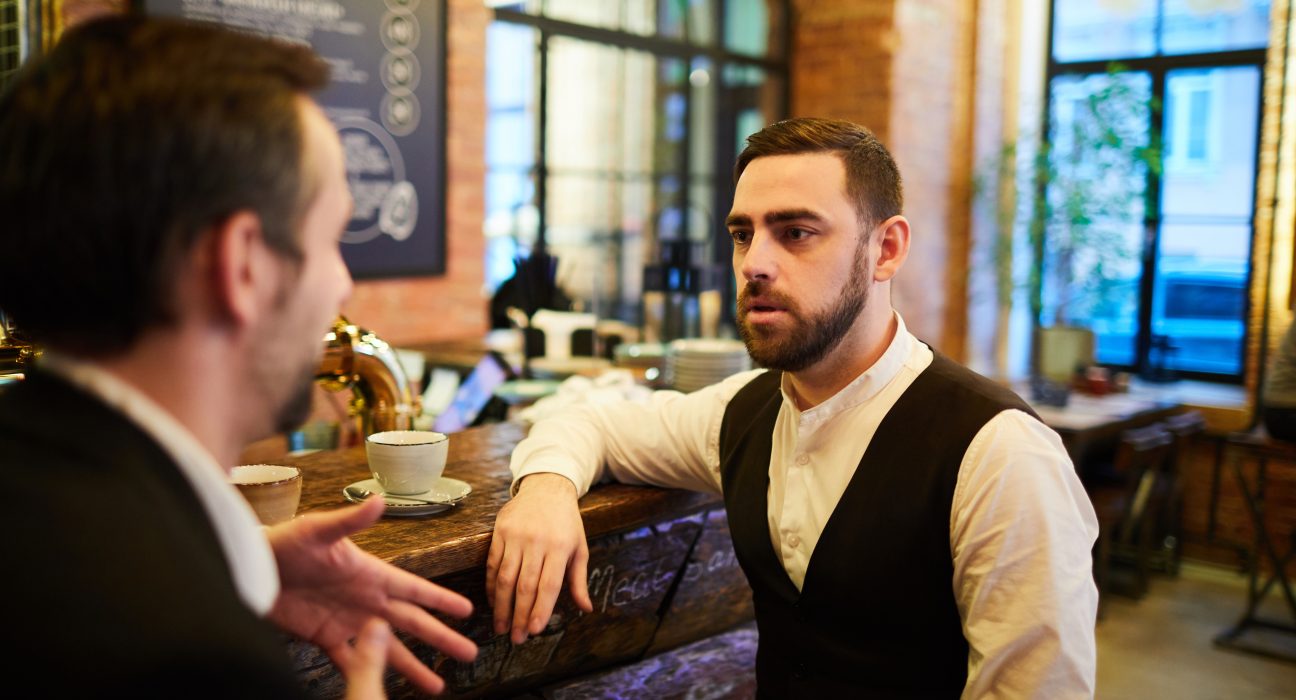
Coffee has long been a universal language — one that brings people together across cultures and continents. Yet, in recent years, a new and deeply meaningful chapter has emerged in the global coffee scene: the rise of halal coffee culture. From bustling cities like London and Toronto to vibrant Muslim-majority regions such as Kuala Lumpur and Dubai, Muslim café owners are redefining what it means to blend faith, flavor, and community in every cup.
This movement is about more than just avoiding alcohol or ensuring halal ingredients — it’s about creating ethical spaces that welcome everyone while staying true to Islamic principles. To explore this growing trend, we spoke with several halal café owners who shared their journeys, challenges, and philosophies behind building cafés where faith meets flavor.
A Movement Rooted in Faith and Integrity:
For many Muslim entrepreneurs, opening a halal café is not merely a business decision — it’s an act of faith and identity. The goal is to provide a space where customers can enjoy great coffee without questioning whether the syrups contain alcohol, if the desserts are made with gelatin, or if cross-contamination occurs.
Ahmed Khan, owner of Barakah Brews in Chicago, explains:
“Our café started with one intention — to create a place where Muslims could come, relax, and feel confident that everything they consume is halal. Coffee is universal, but the assurance of halal makes it meaningful for us.”
This vision of halal cafés reflects a larger global demand for ethical, transparent, and inclusive dining options. It’s not just Muslims who appreciate it — non-Muslims increasingly visit halal cafés for their quality, cleanliness, and community atmosphere.
Crafting Flavor Without Compromise:
One of the key challenges in halal café culture is maintaining the balance between authenticity and innovation. Café owners must ensure that every product meets halal requirements while still appealing to diverse tastes.
Farah Rahman, founder of Saffron & Steam in London, shares:
“We wanted to create bold, modern coffee flavors while sticking to halal principles. That meant developing our own syrups and sauces — alcohol-free, ethically sourced, and made in-house.”
Her café’s signature drink, a cardamom pistachio latte, is a reflection of how halal cafés are blending traditional Eastern flavors with Western coffee artistry. Many owners are experimenting with Arabian, Turkish, and South Asian influences — from qahwa (Arabic coffee) and saffron lattes to rose cappuccinos — to build menus that celebrate culture and faith.
Faith isn’t seen as a limitation but as an inspiration for creativity. These café owners prove that halal compliance and premium taste can coexist beautifully.
The Ethics Behind Every Espresso:
The halal café movement is also about ethics — not just in ingredients, but in business practices. Many Muslim café owners prioritize fair trade, sustainable sourcing, and local partnerships as an extension of Islamic values like ihsan (excellence) and amanah (trust).
Rashid Malik, owner of Qahwa Corner in Toronto, emphasizes:
“Being halal isn’t just about what’s in the cup; it’s about how you run your business. We support small farmers, pay fair wages, and avoid waste because these are all part of our faith.”
This approach resonates strongly with millennials and Gen Z customers, who increasingly seek ethical, environmentally conscious brands. By combining halal integrity with sustainability, these cafés are becoming role models in responsible entrepreneurship.
Building Community Through Coffee:
Perhaps the most beautiful aspect of halal cafés is how they bring people together. Beyond coffee and food, they serve as safe spaces for connection, reflection, and dialogue.
At The Chai Chapter in Sydney, owner Amina Ali describes her café as “a third place” — not home, not work, but a space where people can belong.
“We host Qur’an circles, poetry nights, and even interfaith discussions. Our café is about community as much as it is about coffee.”
Across cities, halal cafés are becoming community hubs. Some offer prayer spaces, while others host events during Ramadan, Eid celebrations, or charity fundraisers. These venues serve as bridges between cultures — inviting everyone to experience the warmth of halal hospitality.
Navigating Challenges in the Halal Café Industry:
Building a halal café isn’t without its obstacles. From sourcing certified ingredients to educating suppliers about halal standards, café owners often face steep learning curves.
Omar Hussain, who runs Crescent Coffee House in New York, notes:
“Finding halal-certified syrups, chocolates, and desserts was tough at first. Many suppliers didn’t understand what halal meant beyond meat. We had to work closely with them to ensure compliance.”
Marketing also presents unique challenges. Many Muslim café owners aim to appeal to both Muslim and non-Muslim audiences without alienating either group. Omar adds:
“We don’t market ourselves only as ‘halal’ — we focus on being excellent first. The halal part is our foundation, but quality and service are what keep people coming back.”
This balanced approach — combining professionalism with purpose — is helping halal cafés thrive in competitive markets.
Technology’s Role in Growing Halal Coffee Culture:
Technology has been a game changer in promoting halal cafés globally. Platforms like Zabihah, HalalTrip, Crave Halal, and Instagram allow Muslim entrepreneurs to reach audiences faster than ever.
Café owners use these platforms not just for visibility but also for education and storytelling. Through videos, posts, and hashtags like #HalalCoffee and #MuslimOwnedCafe, they share their journeys and inspire others.
Aisha Noor, who co-owns Modest Mug in Kuala Lumpur, explains:
“Instagram helped us grow our brand. When people see we’re transparent about ingredients and halal certification, they trust us instantly. Technology helps us tell our story.”
From online ordering systems to GPS-based halal café finders, digital tools are empowering Muslim café owners and customers alike, fostering a stronger sense of global community.
Inspiring the Next Generation of Muslim Entrepreneurs:
The success of these cafés is inspiring a new wave of Muslim entrepreneurs to enter the coffee industry — one built on purpose, passion, and piety.
Yusuf and Layla Khan, a husband-and-wife duo who own Roastery Rahmah in Cape Town, believe the halal café movement is about empowerment:
“We’re showing young Muslims that you can stay true to your deen and still be innovative. Coffee isn’t just business — it’s dawah (inviting others through example).”
By merging Islamic values with modern café culture, these entrepreneurs are paving the way for a future where halal and hospitality go hand in hand — and where being ethical is simply good business.
The Future of Halal Coffee Culture:
The rise of halal cafés marks a broader cultural shift — one that celebrates authenticity, inclusivity, and integrity. As more people become aware of what they consume, halal cafés are setting new standards for transparency in the food and beverage industry.
In the future, we can expect:
Global halal café chains connecting Muslim communities worldwide.
Certified halal coffee beans and syrups from ethical suppliers.
Collaborations between Muslim-owned brands and mainstream café networks.
Halal coffee festivals and competitions that celebrate innovation and faith.
The halal coffee culture is still young but rapidly expanding — and its foundation is strong, rooted in sincerity and purpose.
Final Thoughts:
Building a halal café isn’t just about selling coffee — it’s about serving values. These café owners remind us that it’s possible to honor faith without sacrificing creativity or quality. They’re redefining café culture not as a Western trend, but as a global, inclusive experience infused with spirituality and warmth.
So, the next time you sip your favorite latte at a halal café, know that behind that cup lies a story — of faith, flavor, and the entrepreneurs brewing a better, more mindful world.