
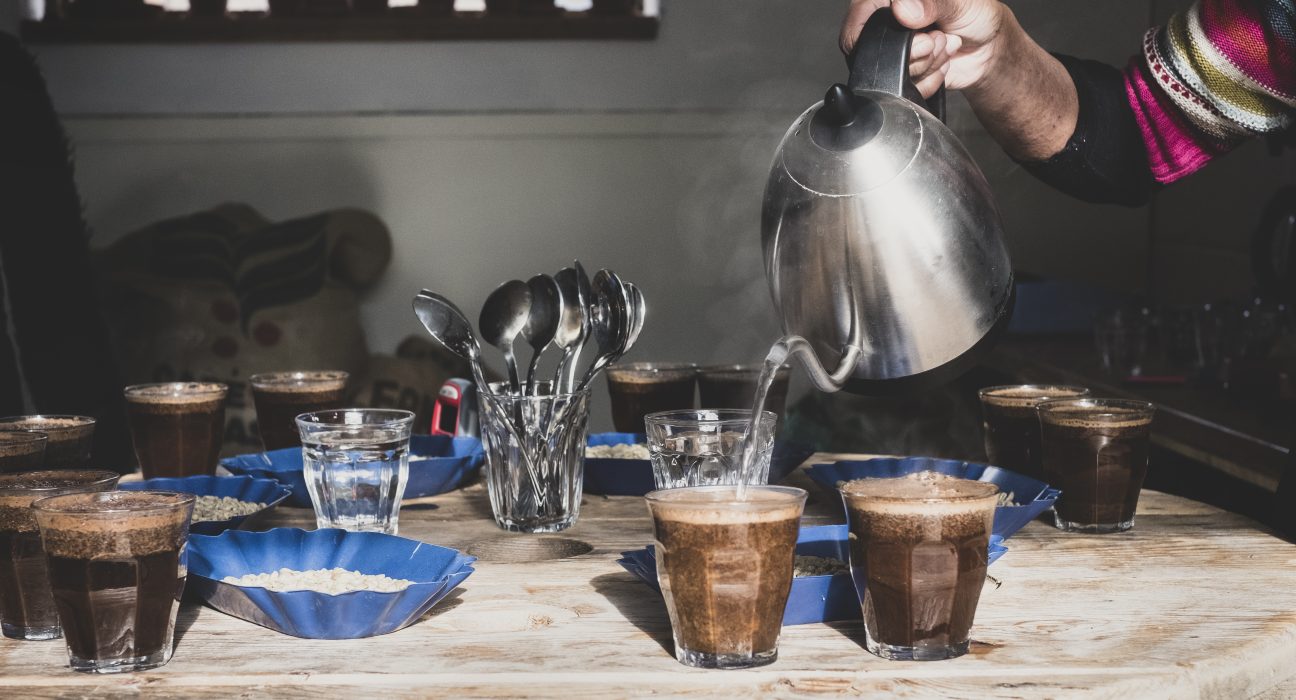
Coffee has always been a connector — a simple cup that brings people together across continents and cultures. But in recent years, a new kind of coffee celebration has emerged, one that blends culture, ethics, and faith: the halal coffee festival.
These events are popping up around the world, from London to Kuala Lumpur and Toronto to Dubai, offering Muslim consumers and coffee enthusiasts alike a chance to explore coffee through a halal and ethical lens. They combine specialty coffee culture with Islamic values of fairness, community, and sustainability, creating spaces that are inclusive, educational, and deeply inspiring.
If you’ve ever wondered what makes halal coffee festivals special — or what you can expect when you attend one — here’s everything you need to know about this growing global movement.
The Story Behind the Movement:
The term “halal” simply means “permissible” under Islamic law. But halal goes far beyond food certification; it reflects a lifestyle rooted in ethics, transparency, and community responsibility.
Coffee, interestingly, has its origins in Muslim culture. The earliest coffee drinkers were Sufi mystics in 15th-century Yemen who brewed it to stay awake during nighttime prayers. As coffee spread from Yemen to Mecca, Cairo, and Istanbul, it became not just a beverage but a symbol of connection and reflection.
Today, halal coffee festivals are reviving that same spirit — celebrating coffee as both an ethical and cultural experience. These events honor coffee’s Islamic heritage while highlighting modern Muslim entrepreneurship and conscious consumption.
Nadia Al-Hassan, a coffee historian and festival curator, notes:
“Halal coffee festivals are reclaiming coffee’s spiritual roots. They remind us that mindful consumption and ethical trade were always part of Islamic tradition — long before sustainability became a trend.”
What Makes a Coffee Festival “Halal”?
At first glance, a halal coffee festival may look like any other coffee expo — full of latte art competitions, brewing demos, and the irresistible aroma of freshly roasted beans. But there are key elements that make these gatherings distinct.
Here’s what defines a halal coffee festival:
Halal-Certified Products:
Every product showcased, from beans to syrups and desserts, meets halal guidelines — meaning no alcohol-based flavorings, no gelatin, and no cross-contamination with non-halal items.Ethical Sourcing:
Exhibitors often highlight fair-trade and sustainable farming practices, echoing the Islamic principle of amanah (trust) in business.Inclusivity and Community:
Alcohol-free and family-friendly, these events create spaces where Muslims and non-Muslims can engage over coffee and shared values.Education and Awareness:
Festivals often include discussions about coffee’s Islamic history, modern halal certification, and how consumers can make more ethical purchasing decisions.
The result? A celebration that’s as meaningful as it is flavorful.
What You Can Expect at a Halal Coffee Festival:
Whether you’re a barista, a coffee lover, or someone curious about halal culture, attending one of these festivals is an unforgettable experience. Here’s what typically awaits you.
1. Coffee Tasting and Specialty Brews
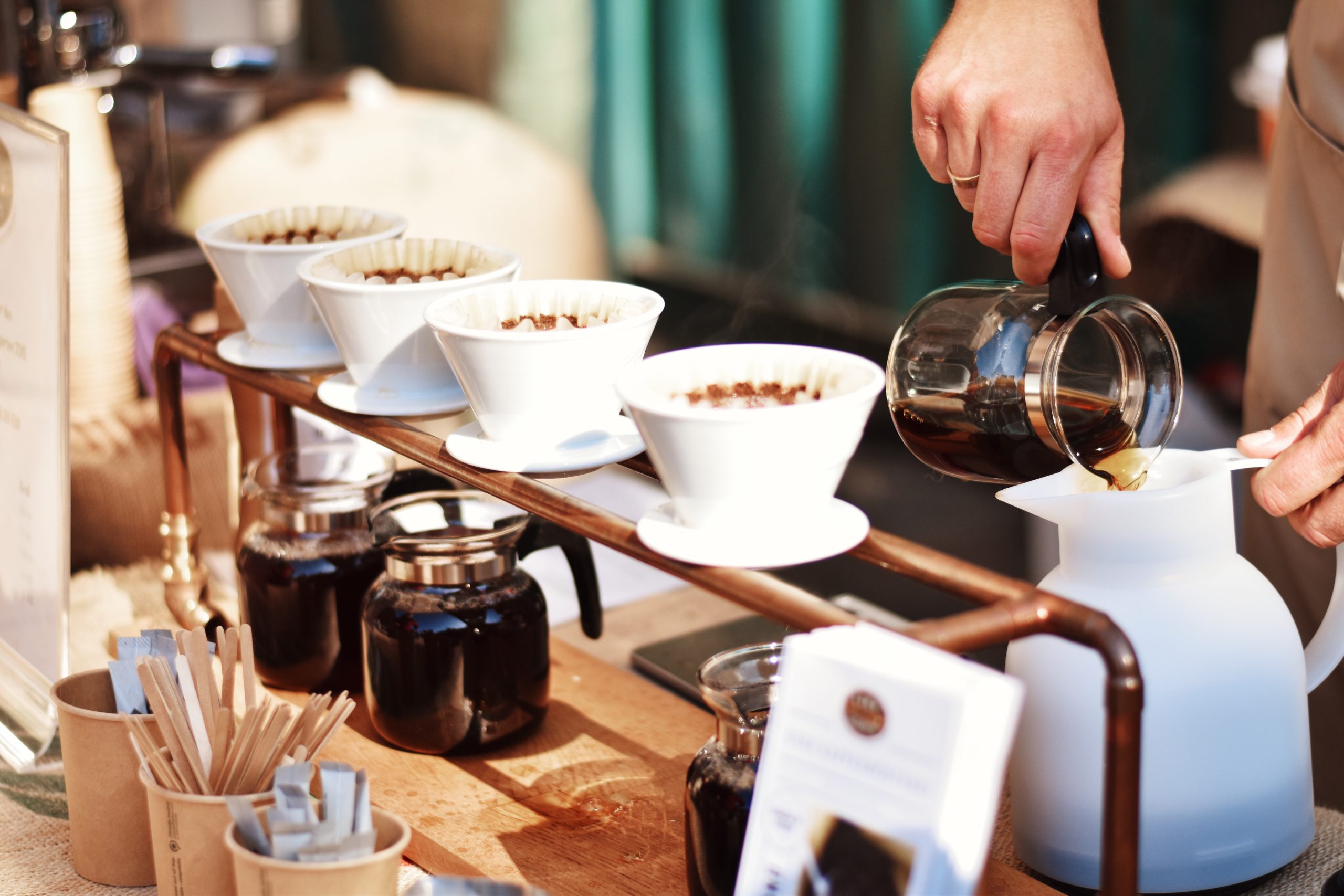
The highlight of any coffee festival — halal or otherwise — is the tasting experience. But at halal coffee festivals, you’ll find a twist: brews infused with cultural and regional influences.
Expect to sample everything from:
Traditional Yemeni qahwa, brewed with cardamom and saffron.
Turkish coffee, slow-cooked over sand for a rich texture.
Indonesian kopi tubruk, sweetened and robust.
Modern creations, like pistachio lattes and date caramel cappuccinos.
Each drink tells a story — connecting global Muslim communities through flavor.
2. Cultural Exhibits and Coffee Ceremonies:
Halal coffee festivals are not just about drinking coffee; they’re about appreciating its history. Many events include live cultural demonstrations that showcase coffee traditions from across the Muslim world.
You might witness a Bedouin coffee ceremony complete with ornate dallah pots, or an Ethiopian coffee roasting ritual where beans are hand-roasted and served with incense.
These cultural segments celebrate how coffee has long been tied to hospitality and spirituality in Islamic societies.
3. Halal Dessert Stalls and Artisan Markets:
Alongside coffee, expect to find stalls selling halal-friendly pastries, desserts, and handmade products. Vendors often include small Muslim-owned businesses offering everything from:
Vegan, alcohol-free cakes and macarons.
Halal-certified coffee syrups and chocolate.
Islamic calligraphy mugs, modest fashion, and ethical accessories.
It’s part shopping bazaar, part coffee market — a place to indulge while supporting local entrepreneurs.
4. Workshops and Masterclasses:
Halal coffee festivals aren’t just for tasting — they’re for learning. Attendees can join barista workshops, roasting tutorials, and Q&A sessions with industry experts.
Typical sessions include:
The Art of the Perfect Brew – Hands-on training from professional baristas.
What Makes Coffee Halal? – Discussions on ingredient sourcing and certification.
Building a Halal Café Brand – Business insights for aspiring Muslim entrepreneurs.
These workshops make the festivals not only enjoyable but educational, inspiring attendees to engage with coffee on a deeper level.
5. Panel Discussions on Ethics and Sustainability:
Beyond the caffeine rush, halal coffee festivals aim to start meaningful conversations. Panels often feature café owners, scholars, and sustainability experts exploring topics such as:
Fair wages and ethical trade in the coffee industry.
Islamic perspectives on consumer responsibility.
The environmental impact of modern coffee culture.
Imran Siddiqui, founder of Barakah Roasters, shared:
“We use our platform to remind people that every bean has a story. Choosing ethically sourced, halal-certified coffee supports farmers and communities worldwide.”
These conversations bridge the gap between faith-based ethics and global sustainability movements — showing that halal and ethical living go hand in hand.
6. Family and Community Activities:
Unlike conventional expos, halal coffee festivals are designed to be inclusive for all ages. You’ll find play areas for children, prayer spaces, and even storytelling sessions about the origins of coffee in Islamic history.
In some festivals, families gather for community brew sessions, where attendees share coffee and stories in an open, welcoming environment.
Where to Find Halal Coffee Festivals:
The halal coffee festival movement is expanding rapidly, with major events now held across multiple continents. Some of the most notable include:
Halal Coffee & Culture Expo (London, UK): A leading event blending specialty coffee with Islamic art, entrepreneurship, and sustainability.
Halal Coffee Fest (Kuala Lumpur, Malaysia): A celebration of Southeast Asian coffee traditions and modern halal café innovation.
Toronto Muslim Coffee & Culture Fair (Canada): A multicultural event promoting interfaith dialogue through ethical coffee experiences.
Dubai International Halal Coffee Show (UAE): A luxury-focused showcase of halal-certified brands and global roasters.
Yemeni Qahwa Heritage Festival (Yemen): A cultural pilgrimage for those who want to experience coffee’s birthplace firsthand.
Each festival offers a unique flavor of the global halal coffee community — connected by shared values, yet distinct in culture and style.
Why These Festivals Are More Than Coffee:
At their core, halal coffee festivals are about connection. They create spaces where people come not only to enjoy coffee but to celebrate ethics, creativity, and community.
They empower Muslim entrepreneurs, promote sustainability, and challenge misconceptions about what halal represents. For non-Muslims, they offer a warm invitation into Muslim hospitality — one that’s served with sincerity and a perfect cup of espresso.
Aisha Malik, a café owner who participated in the Toronto festival, sums it up beautifully:
“When people share coffee, they share conversation. And when that coffee is made with integrity, it becomes more than a drink — it becomes a message.”
Final Thoughts:
The rise of halal coffee festivals marks a powerful shift in global coffee culture — one that blends ethics with enjoyment, faith with flavor. These events remind us that coffee doesn’t just connect us through taste; it connects us through purpose.
Whether you’re sipping a saffron latte in London or sampling Yemeni qahwa in Dubai, halal coffee festivals show that conscious consumption and cultural celebration can coexist beautifully.
So, the next time you hear about a halal coffee festival near you, go experience it firsthand. You’ll leave not only with a caffeine buzz but with a renewed appreciation for how a humble bean can brew unity, kindness, and community across the world.