
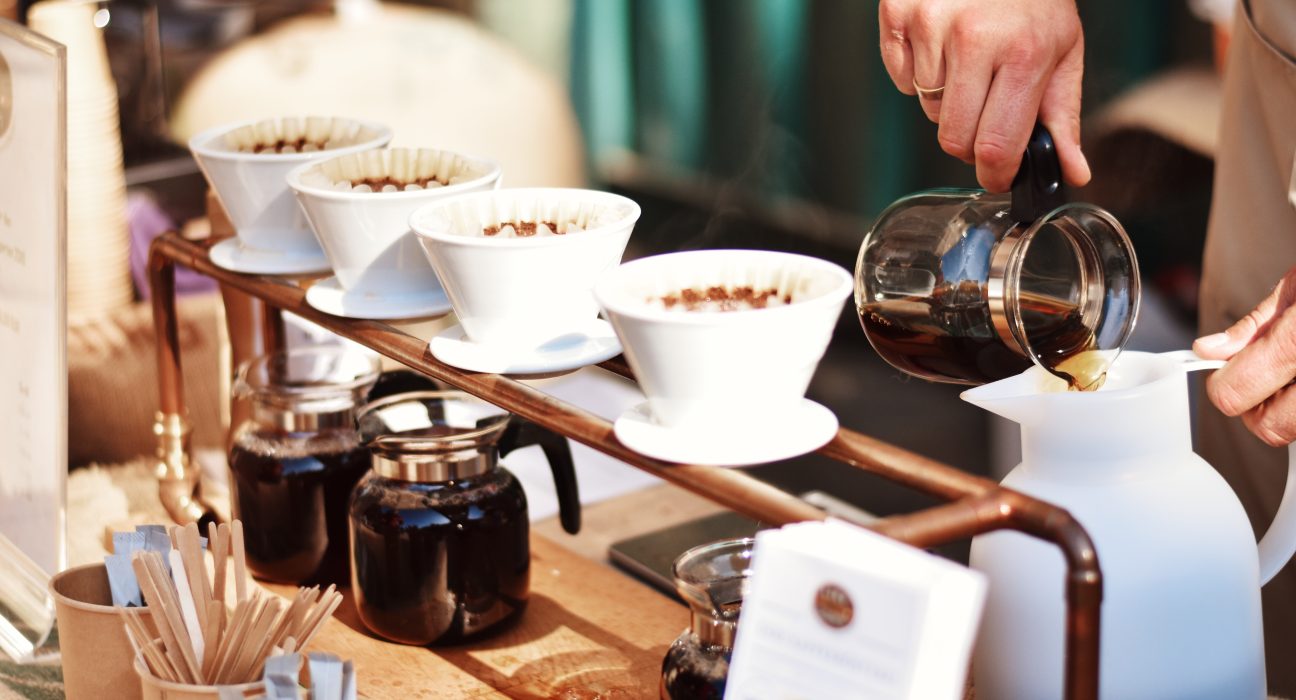
Coffee has always been more than a beverage — it’s a bridge between people, cultures, and stories. In recent years, the world has witnessed a growing movement that infuses this universal drink with a powerful ethical and spiritual dimension: halal coffee festivals.
These festivals bring together Muslim entrepreneurs, coffee enthusiasts, ethical roasters, and curious travelers to celebrate halal-certified and ethically sourced coffee. They showcase the diversity of Muslim coffee culture while emphasizing community, sustainability, and creativity.
If you’re a coffee lover seeking an experience that blends faith, ethics, and culture, here’s your guide to the best halal coffee festivals around the world — where every cup tells a story of connection and conscience.
Why Halal Coffee Festivals Matter:
Before we dive into the destinations, let’s understand what makes halal coffee festivals special.
Halal coffee festivals combine the art of specialty coffee with the ethics of halal living. Every exhibitor, from roasters to pastry chefs, adheres to halal standards — no alcohol-based syrups, no non-halal gelatin desserts, and no questionable flavorings. But beyond compliance, these events focus on values like fairness, sustainability, and inclusion.
At their heart, halal coffee festivals are about three things:
Ethical consumption – Showcasing fair-trade, halal-certified, and environmentally responsible coffee.
Cultural celebration – Honoring coffee’s Islamic roots, from Yemen and Turkey to Indonesia.
Community building – Creating safe, inclusive spaces where Muslims and non-Muslims can connect through shared appreciation.
Now, let’s explore where these values come alive across the globe.
1. Halal Coffee & Culture Expo – London, United Kingdom:
The Halal Coffee & Culture Expo in London is one of the pioneers in showcasing Muslim-led coffee culture in the West. Launched in 2021, this festival has quickly become a must-attend event for coffee lovers, café owners, and ethical entrepreneurs.
What to expect:
A marketplace featuring halal-certified roasters and dessert artisans.
Workshops on ethical sourcing, brewing techniques, and coffee entrepreneurship.
Cultural exhibits highlighting Islamic coffee heritage.
Panel discussions with Muslim café owners, sustainability experts, and faith-based innovators.
Why it’s unique:
London’s diverse population gives this festival a distinctly global flavor. Attendees might sample Yemeni qahwa one moment and Turkish sand-brewed coffee the next — all within a halal, family-friendly atmosphere.
Insider tip:
Book tickets early! This event attracts thousands of visitors every year and often sells out before opening weekend.
2. Halal Coffee Fest – Kuala Lumpur, Malaysia:
Malaysia’s coffee scene has exploded in recent years, and the Halal Coffee Fest in Kuala Lumpur stands at the center of it. It’s one of Southeast Asia’s most vibrant halal lifestyle events, combining coffee culture with art, fashion, and entrepreneurship.
What to expect:
Dozens of halal-certified coffee brands from Malaysia, Indonesia, and Brunei.
Traditional coffee ceremonies from across the Malay Archipelago.
Coffee tasting competitions and barista showcases.
Islamic art exhibitions and cultural performances.
Why it’s unique:
Malaysia’s festival blends spirituality and creativity. You’ll find Islamic calligraphy next to espresso stands and Sufi-inspired music performances alongside barista workshops.
Insider tip:
Try the Kopi Kurma Latte (date latte) — a signature drink that captures the essence of Ramadan-inspired coffee innovation.
3. Dubai International Halal Coffee & Food Show – United Arab Emirates:
Dubai has positioned itself as a global hub for halal innovation, and its International Halal Coffee & Food Show reflects that ambition. This grand-scale event is part of Dubai’s annual Halal Lifestyle Week, drawing professionals and enthusiasts from around the world.
What to expect:
Luxury halal coffee brands and international exhibitors.
Sustainability and ethical sourcing summits.
Business networking sessions for café owners and roasters.
Gourmet coffee pairings with halal fine dining.
Why it’s unique:
Dubai’s event blends high-end coffee culture with Islamic values. Expect dazzling booths, world-class speakers, and cutting-edge innovations in halal-certified ingredients and coffee technology.
Insider tip:
Visit the “Future of Coffee” section, where startups display AI-driven roasting tools and eco-friendly packaging innovations tailored to halal markets.
4. Toronto Muslim Coffee & Culture Fair – Canada:
The Toronto Muslim Coffee & Culture Fair is a grassroots initiative that’s quickly gaining international recognition. Born out of the city’s vibrant Muslim community, it celebrates inclusivity, entrepreneurship, and interfaith connection.
What to expect:
Showcases from Muslim-owned coffee shops across North America.
Interfaith panels discussing ethics, sustainability, and cultural exchange.
Pop-up prayer areas and halal dessert booths.
Live music, spoken word poetry, and art installations.
Why it’s unique:
Toronto’s multicultural spirit makes this festival a true melting pot. It’s not just about coffee — it’s about community. Here, faith-based businesses share space with ethical non-Muslim brands, proving that conscious living transcends religion.
Insider tip:
Don’t miss the Barakah Roast Challenge, where local roasters compete to craft the perfect ethically sourced espresso blend.
5. Jakarta Halal Coffee and Culinary Festival – Indonesia:
Indonesia is the world’s largest Muslim-majority nation — and one of the biggest coffee producers. The Jakarta Halal Coffee and Culinary Festival celebrates both of these identities in grand fashion.
What to expect:
Coffee bean showcases from Sumatra, Java, and Sulawesi.
Halal culinary pairings featuring Indonesian delicacies.
Barista competitions highlighting creativity with local ingredients.
Discussions on sustainable farming and fair-trade coffee production.
Why it’s unique:
This festival connects farmers, café owners, and consumers directly — highlighting the entire halal coffee supply chain from bean to cup. It also celebrates Indonesia’s deep spiritual relationship with coffee, often brewed with spices like cinnamon and clove.
Insider tip:
Attend the “Coffee & Charity” session, where proceeds from every cup support small Muslim farming communities across the archipelago.
6. Yemeni Qahwa Heritage Festival – Sana’a, Yemen:
For those who love history, Yemen’s Qahwa Heritage Festival is a pilgrimage. Yemen is the birthplace of coffee as we know it — and this festival honors that sacred legacy.
What to expect:
Historical exhibits tracing coffee’s Islamic origins.
Traditional roasting and brewing demonstrations.
Spiritual storytelling sessions about Sufi coffee culture.
Local Yemeni markets selling ethically grown beans.
Why it’s unique:
Few places capture the spiritual and historical roots of halal coffee like Yemen. The festival offers an immersive look at the traditions that shaped global coffee culture — long before cafés became mainstream.
Insider tip:
Try the Qishr — a traditional Yemeni coffee made from coffee husks, ginger, and cinnamon. It’s sweet, spicy, and deeply symbolic of community and gratitude.
What Unites All These Festivals:
While each halal coffee festival has its own flavor, they share common threads that define their purpose and power:
Faith-inspired ethics: Every festival promotes halal integrity and fair business practices.
Cultural exchange: Visitors learn how coffee connects Islamic, African, and Western traditions.
Empowerment: These events spotlight Muslim entrepreneurs and artisans.
Community spirit: Whether in Dubai or Toronto, each festival is rooted in inclusion and togetherness.
Halal coffee festivals are not just about caffeine — they’re about consciousness. They remind us that how we consume matters as much as what we consume.
The Future of Halal Coffee Festivals:
As interest in halal lifestyles grows, more cities are expected to host their own coffee events. The next decade may bring halal coffee awards, global trade fairs, and collaborations between Muslim and mainstream coffee brands.
Experts predict a future where halal coffee becomes synonymous with ethical coffee — where faith-driven values like fairness, sustainability, and respect redefine the global coffee industry.
Noura Al-Hassan, founder of Halal Brew Network, sums it up perfectly:
“Halal coffee festivals aren’t just Muslim events — they’re ethical events. They invite the world to experience what it means to enjoy coffee with heart, purpose, and peace.”
Final Thoughts:
From the bustling halls of Kuala Lumpur to the historic streets of Sana’a, halal coffee festivals are weaving a new narrative — one where coffee becomes a force for unity and integrity.
These events invite everyone, regardless of background, to sip, learn, and connect. They prove that halal isn’t just a certification — it’s a commitment to compassion, quality, and care for the world we share.
So, whether you’re an espresso enthusiast, a cultural explorer, or simply someone who believes in ethical living, add a halal coffee festival to your travel list. Because when you drink coffee made with sincerity and shared values, every cup becomes an act of community.